7 Real Signs Your Body Is In Ketosis
What are the signs your body is in ketosis?
Reliable signs that your body has shifted into ketosis include increased thirst and urination, a faintly fruity or metallic breath, reduced appetite, and a short dip in energy that lifts within a week or two. The only objective confirmation is a blood ketone reading at or above 0.5 mmol per litre.
- Most reliable single test: a blood meter reading 0.5 mmol/L or higher.
- Common early clues: thirst, urination, lower appetite, keto breath.
- Not proof: symptoms vary widely, so a meter beats guessing.

Once you have committed to a low-carb week, the natural next question is whether it is working. The internet offers a long list of "signs of ketosis," and some of them are genuinely useful while others are folklore. Below are seven that show up consistently, ordered roughly from the everyday to the definitive, with an honest note on how much each one is worth.
The single most important thing to hold onto is this: symptoms are suggestive, not conclusive. Two people can both be in ketosis and feel completely different, and the same symptom can have half a dozen unrelated causes. If you want certainty, a meter provides it and nothing else does.
1. You are thirstier and in the bathroom more
This is usually the first thing people notice, often within the first couple of days. Cutting carbohydrate lowers insulin, which prompts the kidneys to release sodium and the water attached to it, so you urinate more and feel thirsty in response. It is a real and early clue that your metabolism is shifting.
It is also non-specific — plenty of things make you urinate more — and it reflects the water and electrolyte shift rather than ketone production itself. Take it as evidence the transition has begun, not as proof you are in ketosis, and use it as your cue to start replacing fluids and salt.
2. Your breath or the taste in your mouth changes
This one is more specific. Acetone is one of the ketone bodies your liver produces, and it is volatile enough to be cleared partly through your lungs. The result is the faintly fruity or nail-polish smell that many people notice on low-carb diets, sometimes described as a metallic taste instead. Because it tracks a ketone directly, it is one of the more meaningful signs.
It tends to be strongest in the first week or two and to fade as you adapt. It is also why breath meters exist: they estimate ketosis by measuring exactly this acetone.
3. Your appetite drops
A reliable pattern on well-formulated low-carb diets is that hunger falls. Part of this is the filling nature of protein and fat, and part appears to be an effect of the ketones and hormonal changes themselves, with raised blood beta-hydroxybutyrate associated with lower levels of the hunger hormone ghrelin.
For a lot of people this is the most useful sign of all, because it is the mechanism that makes a low-carb diet easier to stick to. If you find yourself comfortably skipping a snack you would normally crave, that is a genuine and encouraging signal.
4. An early energy dip, then a steadier lift
The first few days can feel flat. Fatigue, mild headache and a foggy head are common while your body is between fuels — glycogen running low, fat-burning not yet efficient. This is the core of what people call the keto flu, and it is largely an electrolyte problem rather than evidence of some deeper struggle.
What follows for many people is the more positive half: once ketone production is established, energy tends to feel steadier through the day, without the mid-afternoon slump that follows carbohydrate meals. The dip-then-lift pattern is a recognisable sign, though its timing and intensity vary a lot.
5. Exercise feels different for a while
During the transition, high-intensity efforts — sprints, heavy lifts, anything that leans on stored glycogen — can feel harder, because that fuel is exactly what you are running down. This is a temporary and expected sign rather than a warning, and steady-state endurance work is usually less affected.
Most people recover their performance once they are fat-adapted, a process that takes weeks rather than days. If your usual workout suddenly feels heavier in week one, that is consistent with the metabolic switch, not a reason to abandon it.
6. Sleep and other minor changes
Some people report changed sleep in the early days, occasional leg cramps, or small digestive shifts. These are real experiences but they are firmly in the anecdotal column: they are inconsistent, easily caused by other things, and often traceable to low magnesium or sodium rather than ketones as such. Cramps in particular usually respond to magnesium.
Treat this category as background noise. It is worth knowing these effects happen so they do not alarm you, but none of them tell you reliably whether you are in ketosis.
7. A blood meter reads 0.5 mmol/L or higher
This is the only sign on the list that actually settles the question. A finger-prick blood ketone meter measures beta-hydroxybutyrate directly, and a reading at or above 0.5 mmol per litre is the standard definition of nutritional ketosis, with the 1.0 to 3.0 band often called deeper ketosis.
Breath meters, which estimate acetone, are a reasonable reusable alternative. Urine strips are the cheapest option and useful in the first fortnight, but they lose accuracy as you adapt and start excreting fewer ketones — a genuinely confusing pattern that leads people to think they have fallen out of ketosis when they have simply become more efficient at using it.
Every symptom on this list can be faked by something else. A blood beta-hydroxybutyrate reading cannot — which is why, if the answer actually matters to you, it is worth measuring rather than interpreting.
Reliable versus anecdotal: how to actually know
If you sort the seven, the pattern is clear. The change in breath and the drop in appetite are fairly specific to the metabolic shift. Thirst, urination and the energy dip are real but reflect the electrolyte and fuel transition rather than ketones themselves. Sleep changes and cramps are anecdotal and usually about minerals. And the blood reading is the one objective measure.
The practical takeaway is not to over-read a single symptom in either direction. Feeling great is not proof, and feeling nothing is not failure. If you want to know, spend a little on a blood meter and test in the morning for a week; the numbers will teach you more than any checklist can.
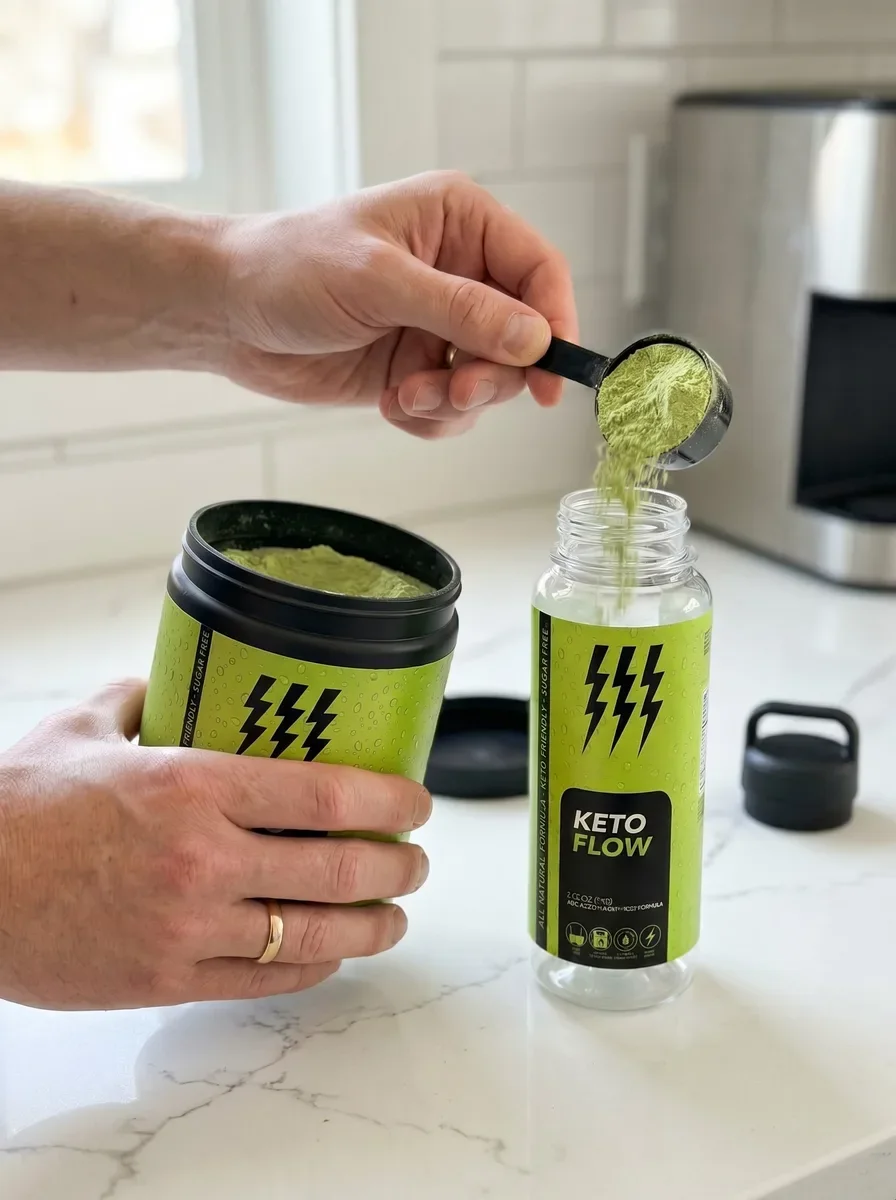
What this means for a drink like KetoFlow
A supplement cannot manufacture these signs in a way that means anything about your own fat metabolism. Drinking exogenous BHB will raise your blood ketone reading for a few hours, which looks like sign number seven but is simply the ketones you swallowed — a point we cover in detail in what exogenous BHB really does.
Where a formula built on BHB salts, MCT powder and electrolytes plausibly helps is the uncomfortable early signs — the energy dip and the thirst — by replacing sodium and magnesium and smoothing the transition. That is a comfort measure, not a fat-loss mechanism, and it is the honest version of what these products do. For the electrolyte side, see keto flu, electrolytes and sea moss.
Related reading
The formula behind the transition
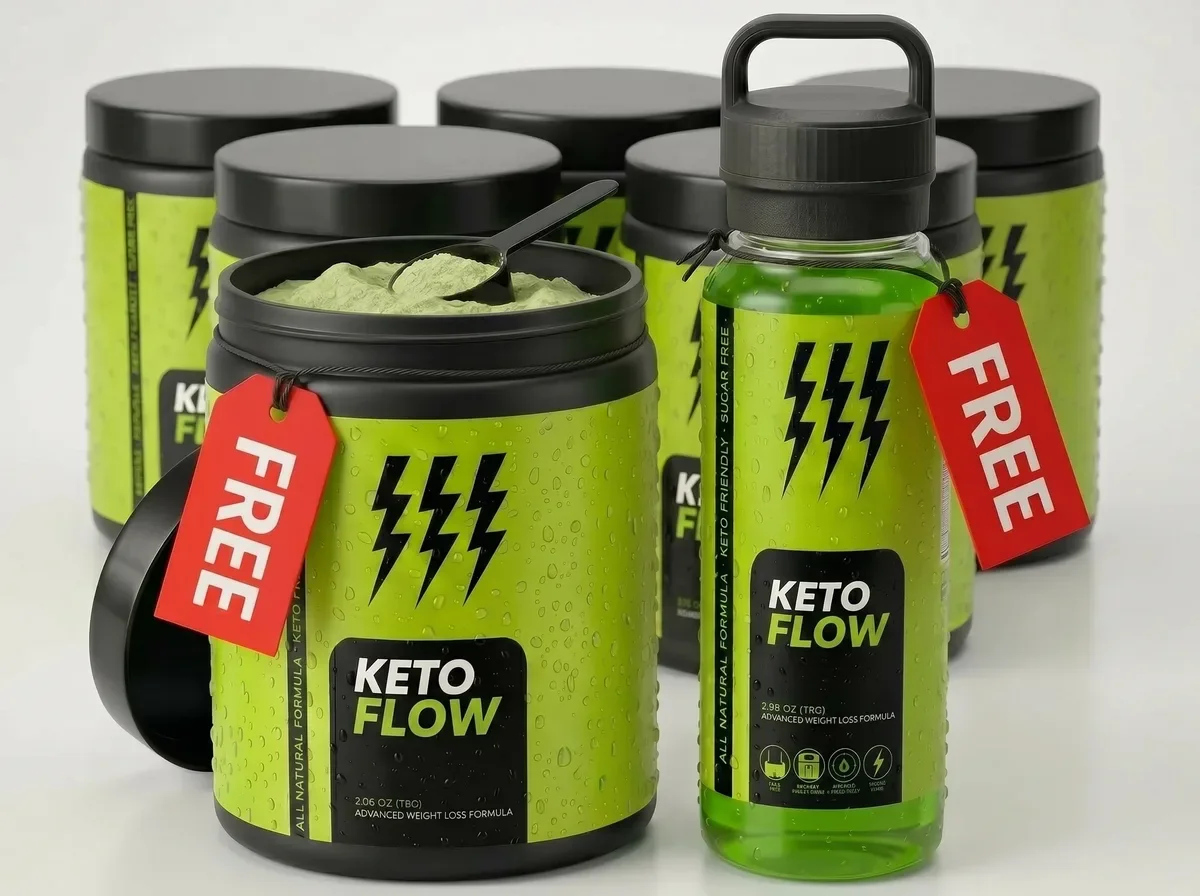
KetoFlow combines BHB salts and MCT powder with the electrolytes that ease the early dip. Our main page assesses all six ingredients and flags every undisclosed amount.
Order NowFrequently asked questions
What are the first signs of ketosis?
The earliest signs are usually increased urination and thirst within the first few days, followed by reduced appetite and sometimes a short spell of fatigue or brain fog. A faintly fruity or metallic taste in the mouth tends to appear a little later. None of these prove ketosis on their own, which is why a meter is useful.
Why does my breath smell different on keto?
One of the ketone bodies your liver makes, acetone, is volatile and partly cleared through your lungs. That produces the characteristic faintly fruity or nail-polish smell some people notice on low-carb diets. It is generally strongest in the first week or two and tends to fade as your body adapts to using ketones.
Can I be in ketosis without any symptoms?
Yes, and it is common. Symptoms like keto breath or the early energy dip vary a lot from person to person, and some people transition with almost none. The absence of symptoms does not mean you are not in ketosis, and their presence does not prove you are. Only a measurement settles it.
Are urine ketone strips accurate for tracking ketosis?
They are cheap and useful in the first couple of weeks, when your body excretes excess ketones in urine. As you become fat-adapted, you use ketones more efficiently and spill fewer into urine, so the strips can read low even when you are firmly in ketosis. A blood meter is more accurate for ongoing tracking.