Keto Breath: Why It Happens and How to Fix It
What causes keto breath and how do you fix it?
Keto breath is caused by acetone, a ketone your body clears through the lungs, giving breath a fruity or metallic smell, a normal sign ketosis is working. It usually fades within a few weeks as you adapt. The best fixes are drinking more water, good oral hygiene, and patience; sugar-free mints only mask it.
- Cause: acetone exhaled through the lungs, not poor hygiene.
- Timeline: usually eases within a few weeks of adapting.
- Fixes: more water, oral hygiene, patience; mints only mask.

Somewhere in the first week or two of keto, a lot of people notice something odd: a taste in the mouth that is faintly fruity, sometimes metallic, occasionally compared to nail polish remover, and breath to match that brushing does not fully fix. It is common enough to have a name, keto breath, and common enough to make people wonder whether something has gone wrong. It hasn't. Keto breath is one of the more reliable signs that the diet is doing exactly what it is supposed to.
That does not make it pleasant, and the good news is that it is both temporary and manageable. Understanding where the smell comes from makes the fixes obvious and separates the ones that actually help from the ones that only paper over it. Here is what is happening and what to do about it.
What keto breath actually is
When your body is in ketosis, your liver is breaking fat down into three ketone bodies: beta-hydroxybutyrate, acetoacetate and acetone. The first two are fuels your muscles and brain burn. Acetone is different. It is a by-product your body cannot use much, so it gets rid of it, and one of the main exits is your lungs. You literally breathe acetone out.
Acetone is the same compound found in nail polish remover, which is why the smell is so distinctive. That fruity, sharp, slightly chemical note on the breath is not bacteria and not a hygiene failure; it is a volatile ketone leaving your bloodstream through your breath. This is also the principle behind breath-based ketone meters, which estimate your level of ketosis precisely by measuring exhaled acetone.
Why it means the diet is working
Because acetone is produced only when you are running on fat, its presence on your breath is direct evidence that you are in ketosis. In that narrow sense keto breath is a good sign, arguably the most accessible, no-equipment signal that your metabolism has made the switch you were aiming for. People who are anxious about whether they are "doing it right" can take the smell as confirmation that they are.
It is worth naming a second, less common contributor. Very high protein intake can raise ammonia as protein is broken down, which some people notice as a sharper, more ammonia-like breath rather than the classic fruity acetone note. If your breath leans that way, easing back slightly on protein and drinking more water tends to help. For most people on a standard ketogenic diet, though, plain acetone is the culprit.
How long keto breath lasts
This is the reassuring part: keto breath is almost always a phase, not a permanent feature. It tends to be strongest in the first one to three weeks, while your body is producing and dumping a lot of acetone during the transition. As you become fat-adapted and your metabolism gets more efficient at using ketones rather than spilling them, acetone output falls and the smell fades with it.
For most people it eases substantially within a few weeks and becomes a non-issue after the first month or so. If it persists strongly for much longer, that is often a hint to check your water intake and, if protein is very high, your protein, rather than a sign that anything is wrong with ketosis itself.

The fixes that actually work
The honest fixes are unglamorous, because keto breath is a plumbing issue, not a hygiene one.
Drink more water. This is the single most effective step. Better hydration helps flush ketones and dilutes the concentration of acetone, and because cutting carbs makes you shed water and sodium in the first place, most people on early keto are running drier than they realise. More water also keeps saliva flowing, and saliva is your mouth's own defence against odour.
Stay on top of oral hygiene. Acetone is the primary cause, but ordinary mouth bacteria add their own layer, and keto breath makes any existing bad breath more noticeable. Brushing twice a day, cleaning your tongue, flossing and keeping your mouth from drying out all reduce the bacterial contribution even though they cannot remove the acetone itself.
Consider carb timing, gently. Some people find that eating their small carbohydrate allowance in a single portion, rather than trickling it through the day, or having a few more grams on training days, softens the intensity of acetone output without knocking them out of ketosis. This is a fine-tuning tool, not a cure, and it involves a trade-off with the depth of your ketosis.
Why mints and gum are only a mask
Reaching for mints, gum or mouthwash is the obvious move, and it does help socially, but understand what it is and is not doing. Masking the smell does nothing about the acetone, which will keep coming until your metabolism adapts. Worse, many mints and gums are loaded with sugar, and a steady drip of sugar can nudge you out of the ketosis you are working to maintain, so always check the label and choose sugar-free versions. Sugar-free gum has a small bonus: it stimulates saliva, which genuinely helps with the bacterial side of odour. Treat all of this as a temporary cover for a temporary problem, not a solution.
You cannot deodorise your way out of keto breath, because the smell is coming from your bloodstream, not your mouth. The only real cure is the adaptation that time brings.
What quietly makes it worse
A few everyday habits amplify keto breath without people connecting the dots. Anything that dries the mouth is the biggest culprit, because less saliva means less of your natural rinse. Mouth breathing, especially overnight, sleeping with your mouth open, heavy caffeine and alcohol all reduce saliva and leave morning breath sharper than it needs to be. Smoking adds its own odour on top of the acetone and dries the mouth further.
Skimping on water is the one that catches most people out. Because keto already pushes you toward dehydration, it is easy to drift into a mildly dry state that concentrates acetone and slows saliva at the same time, making the smell worse on both fronts at once. If your keto breath seems stubborn, run through this list before assuming it is simply the depth of your ketosis: more often than not it is a dry mouth and too little water rather than the diet itself.
When it is worth a closer look
Keto breath itself is benign, but a couple of situations deserve attention. A breath that smells strongly and persistently fruity, combined with symptoms like excessive thirst, frequent urination, nausea or confusion, is not ordinary keto breath and warrants prompt medical attention, because those together can signal a serious metabolic problem rather than nutritional ketosis. That combination is rare in healthy people following a diet, but it is the one scenario where "it's just keto breath" is the wrong assumption. If in doubt, and especially if you manage any blood-sugar condition, check with a clinician rather than guessing.
Where a drink like KetoFlow fits
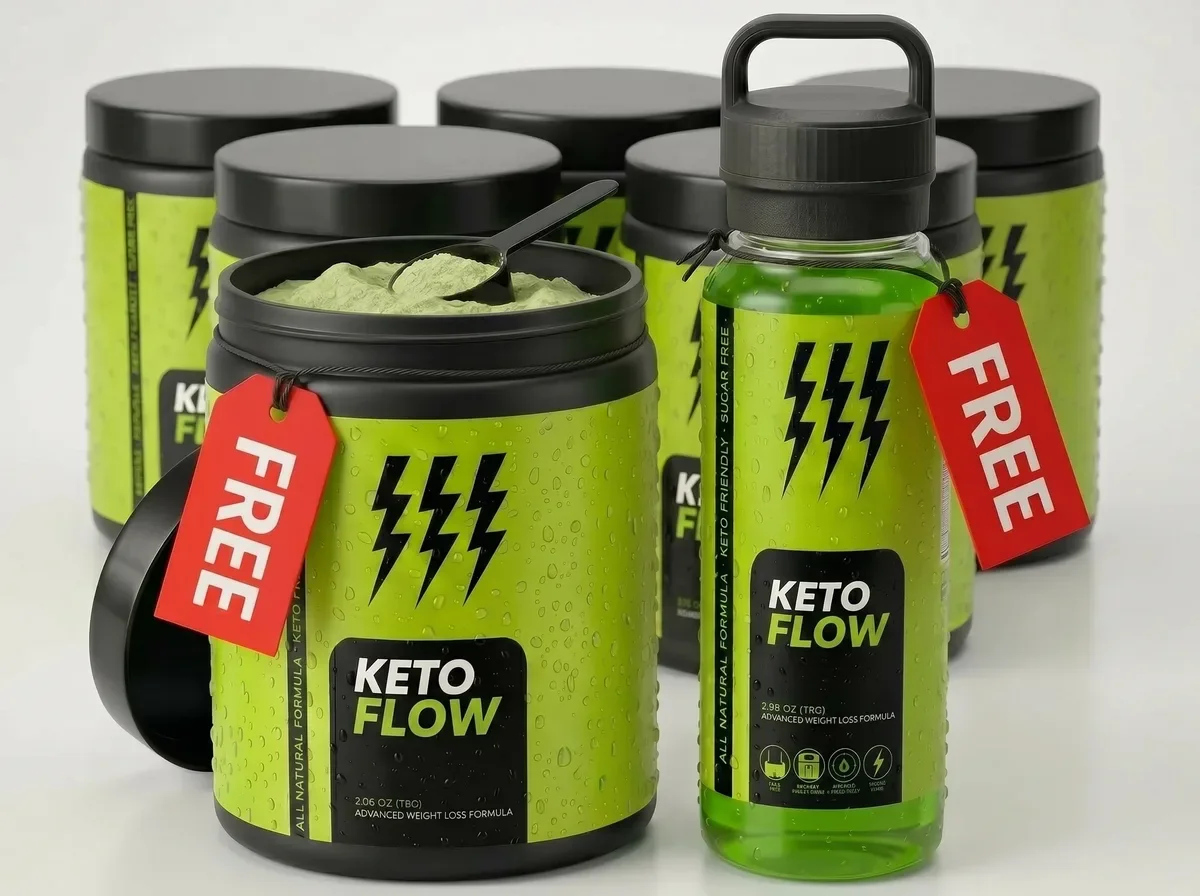
The one real lever here, hydration and electrolytes, is also where a keto drink has a legitimate, modest role. Keto breath is worst when you are dehydrated, and the early diet actively pushes you toward dehydration by flushing out water and sodium. A formula that combines electrolytes with the fluid you are drinking makes it easier to stay properly hydrated, which supports saliva flow and helps dilute acetone. That is a comfort measure, not a breath cure. No drink removes acetone from your bloodstream, and any product claiming to "eliminate keto breath" is overselling. The smell goes away when your metabolism adapts. Our main page lists all six ingredients and flags every undisclosed dose.
The bottom line
Keto breath is acetone, a ketone your body clears through your lungs, and its fruity, metallic edge is a normal, temporary sign that you are genuinely in ketosis. It is strongest in the first few weeks and usually fades within a month as you adapt. The fixes that matter are drinking more water and keeping up oral hygiene, with sugar-free mints as a temporary social cover only. Patience does most of the work: the same adaptation that makes keto easier is the one that makes the smell disappear.
Related reading
Staying hydrated through the transition
KetoFlow pairs BHB salts and MCT powder with the electrolytes early keto strips out, making it easier to keep water intake up. Our main page reads all six ingredients and marks every undisclosed amount.
Order NowFrequently asked questions
What causes keto breath?
Keto breath is caused by acetone, one of the three ketone bodies your liver makes when it burns fat for fuel. Unlike the others, acetone is a by-product your body cannot use much, so it clears it through your lungs. You breathe it out, and because acetone is the compound in nail polish remover, it gives breath a fruity or metallic smell.
How long does keto breath last?
For most people keto breath is strongest in the first one to three weeks and fades substantially within about a month as the body becomes fat-adapted and produces less spare acetone. If it persists strongly well beyond that, it is usually a cue to drink more water and, if your protein intake is very high, to ease it back a little.
Does keto breath mean the diet is working?
Yes, in a real sense it does. Acetone is only produced when your body is burning fat and in ketosis, so its presence on your breath is direct evidence that your metabolism has made the switch. It is one of the most accessible signs of ketosis, which is exactly why breath meters estimate ketone levels by measuring exhaled acetone.
How do I get rid of keto breath fast?
The most effective step is drinking more water, which helps flush ketones, dilutes acetone and keeps saliva flowing, alongside good oral hygiene, brushing, tongue cleaning and flossing. Sugar-free mints or gum can cover the smell temporarily, but check the label, because sugary ones can knock you out of ketosis. Ultimately it fades on its own as your body adapts.