Best Keto Hydration Drinks (No Sugar Traps)
What is the best thing to drink on keto?
For plain thirst, water. For the fatigue, headaches and cramp of low-carb eating, water alone is not enough — you need minerals with it. The best keto drinks pair fluid with sodium, potassium and magnesium and carry no sugar: a good sugar-free electrolyte powder, salted bone broth, or plain sparkling water. The drinks to avoid are the sports drinks that hide 30-plus grams of sugar per bottle.
- Look for: sodium + potassium + magnesium, zero sugar, no maltodextrin.
- Reach for: electrolyte powder, bone broth, sparkling water, unsweetened tea and coffee.
- Avoid: regular Gatorade and similar — around 34 g of sugar in one bottle.
Why water alone is not the answer
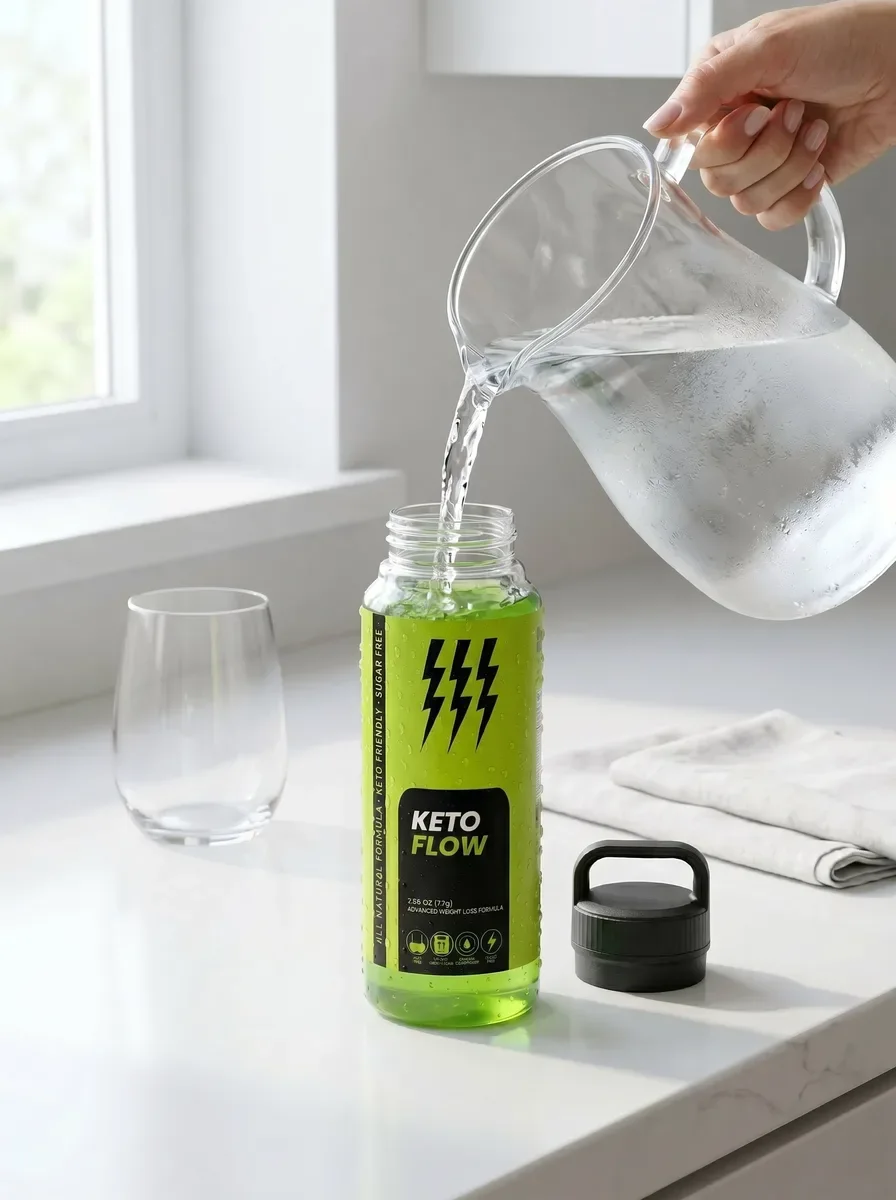
It sounds like heresy on a hydration page, but plain water is not the ideal keto drink on its own, and the reason is specific. When you cut carbohydrate, insulin falls, and low insulin tells your kidneys to release sodium — with water and some potassium leaving alongside it. You are losing fluid and minerals together. Drinking more plain water replaces the fluid but not the minerals, and if you drink a lot of it, you can actually dilute the sodium you have left and make cramps and light-headed feelings worse rather than better.
So the goal of a keto drink is not just wetness. It is fluid plus the electrolytes your body is shedding. Once you frame it that way, the whole category sorts itself neatly into drinks that deliver minerals without sugar, and drinks that deliver sugar dressed up as hydration.
What to actually look for on the label
Three criteria separate a genuine keto hydration drink from a marketing exercise, and you can check all three in about ten seconds on the back of any container.
Meaningful electrolytes. The drink should carry sodium first and foremost, plus potassium and magnesium. Sodium is the mineral lost in the largest amount on keto and the one whose replacement resolves symptoms fastest, so a "hydration" product with a token 40 mg of sodium and nothing else is not really solving the keto problem. Real numbers — hundreds of milligrams of sodium, some potassium, some magnesium — are what you are paying for.
Zero or near-zero sugar. This is non-negotiable. Any added sugar spends your carb budget and can nudge you out of ketosis. Non-nutritive sweeteners like stevia, erythritol or sucralose keep the drink palatable without the carbohydrate, which is why the good electrolyte powders use them.
No maltodextrin or dextrose as filler. This is the sneaky one. Maltodextrin is a starch used to bulk out powders and improve mouthfeel, and despite not tasting sweet it has a very high glycaemic impact — it behaves like sugar in your blood even when the "sugar" line reads low. Dextrose is glucose by another name. If either appears near the top of the ingredient list, the product is closer to a sports drink than a keto one.
The label test is quick: real sodium, no sugar, no maltodextrin. Pass all three and it is a keto drink. Fail any one and it is a sports drink with better branding.
The drinks worth reaching for
Sugar-free electrolyte powders. This is the most useful category and the closest thing to a purpose-built keto drink. A good powder puts a real dose of sodium, potassium and magnesium into a glass of water for essentially no carbohydrate. It is the single most efficient way to fix the mineral side of keto fatigue, and it travels in a sachet. The caveat is that quality varies wildly, so the label test above matters most here.
Bone broth. An old remedy that happens to be well suited to the job. Broth carries sodium, some potassium and a little protein, it is warm and satisfying in a way water is not, and it is naturally very low in carbohydrate. A salted mug of broth is one of the most effective and least gimmicky answers to first-week keto flu there is.
Plain and flavoured sparkling water. Sparkling water is just water and dissolved carbon dioxide — no sugar, no carbohydrate, no effect on ketosis. It is genuinely useful because the fizz and flavour make it a satisfying stand-in for soda, which is what a lot of people actually miss. Flavoured versions are usually fine too, as long as the label reads zero sugar and zero carbohydrate.
Unsweetened tea and black coffee. Both are effectively carb-free and both hydrate despite the persistent myth that caffeine dehydrates you — at normal intakes it does not. They count toward your fluid for the day. Just keep an eye on total caffeine and on what you add: a splash of cream is fine, a flavoured syrup is not.
The sugar traps hiding in the hydration aisle
Now the part the marketing works hardest to blur. Conventional sports drinks are engineered for endurance athletes burning through glycogen, so they are built around fast sugar — which is the exact opposite of what a keto diet is trying to do. A standard 20-ounce bottle of Gatorade carries roughly 34 grams of sugar. On a keto plan that caps carbohydrate at 20 to 30 grams for the whole day, one bottle is more than your entire allowance, and it will reliably pull you out of ketosis while delivering only a modest amount of the sodium you were actually after.
Vitamin waters, "enhanced" waters, kombucha, sweetened iced teas and most bottled smoothies fall into the same trap by different routes — a health halo over a meaningful sugar load. Fruit juice, even "no added sugar" juice, is essentially liquid fructose and belongs firmly on the avoid list. The tell is always the same: turn the bottle around and read the sugar line and the carbohydrate line. Marketing lives on the front; the truth lives on the back.
The zero-sugar versions of sports drinks are a fair middle ground — they solve the sugar problem — but their electrolyte content is usually modest, tuned for taste rather than for replacing what keto strips out. If minerals are the point, a dedicated sugar-free electrolyte powder almost always does the job better for less money.
Where a product like KetoFlow fits
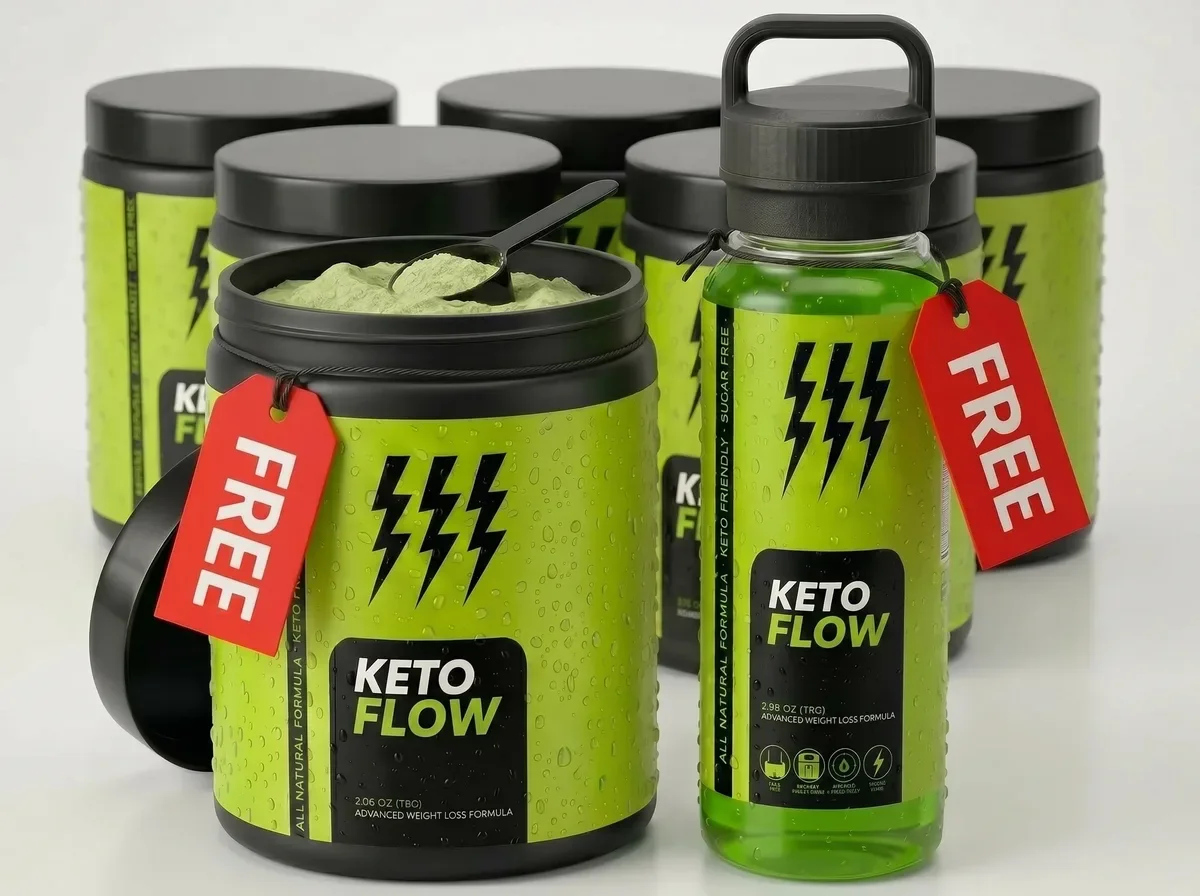
A powdered keto drink like KetoFlow sits in the first category by design. Its BHB is delivered as a mineral salt — bound to sodium, calcium and magnesium — which means the electrolytes arrive dissolved in the large glass of water you mix it into. That is close to the textbook shape of a keto hydration drink: fluid plus minerals, no sugar. Whether the mineral dose per scoop is large enough to stand in for deliberate salting depends on amounts the manufacturer does not publish, so if you are still cramping, salt your food as well. Hydration is a habit, not a single purchase — the drink is a convenient way to make the minerals travel with the water.
A keto drink that carries its minerals
KetoFlow mixes into water and delivers BHB as a sodium, calcium and magnesium salt — no sugar. Our main page reads all six ingredients, with every undisclosed amount marked.
Order NowFrequently asked questions
What can I drink on keto besides water?
Plenty. Sugar-free electrolyte powders, plain or salted bone broth, unsweetened tea and black coffee, and sparkling water are all keto-friendly. The rule is simple: watch the sugar and watch the caffeine. Anything with real sugar, fruit juice, or maltodextrin is off the list, and anything without it is usually fine.
Are electrolyte powders keto-friendly?
The good ones are, and they are arguably the single most useful keto drink. Look for meaningful sodium plus potassium and magnesium, zero or near-zero sugar, and no maltodextrin or dextrose as a filler. Avoid the ones sweetened with sugar or bulked with starch — those are sports drinks wearing a health label.
Is Gatorade okay on the keto diet?
Regular Gatorade is not — a single bottle carries around 34 g of sugar, which is more than an entire day's carbohydrate on many keto plans, and it will pull you out of ketosis. The zero-sugar version avoids that, but its electrolyte content is modest; a dedicated sugar-free electrolyte powder usually does the mineral job better.
Does sparkling water break ketosis?
Plain sparkling water does not — it is just water and carbon dioxide, with no sugar or carbohydrate. Flavoured sparkling waters are usually fine too, as long as the label reads zero sugar and zero carbohydrate. The only ones to watch are those with added fruit juice or sweetened with sugar rather than a non-nutritive sweetener.