Electrolytes on Keto: The Beginner's Daily Guide
What electrolytes do you need on keto?
On keto, low insulin tells your kidneys to flush sodium, and potassium and magnesium follow it out. Replacing all three — not just drinking more water — is what heads off the headaches, fatigue and cramps of the first week. Sodium is the one most people under-eat and the one that matters most.
- Sodium (~3,000–5,000mg/day): the main lever during the transition.
- Potassium (~3,000–4,700mg) and magnesium (~300–400mg): mostly from food, topped up if needed.
- Water alone dilutes what is left — pair every glass with minerals.
Why keto changes your electrolyte needs
Most people arrive at keto expecting to think about carbohydrate and fat. Almost nobody is told the thing that actually decides whether the first two weeks feel fine or feel awful: your mineral balance. And the reason it shifts is a single, well-understood piece of physiology.
Insulin does more than manage blood sugar. Among its quieter jobs is signalling the kidneys to hold on to sodium. When you cut carbohydrate sharply, insulin falls — that is much of the point of the diet — and the kidneys respond by letting sodium go. Water follows sodium wherever it moves, so you excrete fluid along with it. That is the source of the rapid "weight" you lose in the first few days, and it is also the source of the misery people call keto flu: headache, light-headedness on standing, sluggishness, poor workouts, and muscle cramp.
As sodium leaves, the body also shuffles potassium and magnesium to keep its chemistry balanced, and ordinary intakes of those two are frequently marginal even before a diet change. So you are not dealing with one deficit; you are dealing with a coordinated drop across the three electrolytes that do the most day-to-day work in nerves and muscles. Understanding that turns a vague sense of feeling unwell into a short, fixable checklist.
The three electrolytes that matter, and roughly how much
You will see specific numbers thrown around in keto communities. Treat them as ballpark ranges for an average adult, not as targets to chase to the milligram, and adjust for your own body and any medical conditions.
Sodium — roughly 3,000 to 5,000mg a day during the transition. This is the one being actively lost and the one most people are actively avoiding, because a lifetime of general advice told them salt was the enemy. On a low-carb diet the calculus changes, and deliberate sodium — salted food, a cup of broth, an electrolyte drink — resolves the majority of keto-flu symptoms, often within a day. The number sounds high next to standard guidance because standard guidance assumes you are not flushing sodium the way keto makes you flush it.
Potassium — roughly 3,000 to 4,700mg a day. Potassium partners with sodium in fluid balance and in every nerve and muscle signal. The best source is food, not pills: avocado, leafy greens, salmon, mushrooms and nuts all carry meaningful amounts within a keto framework. Supplemental potassium is deliberately capped at small doses for safety, so the plate does most of the work here.
Magnesium — roughly 300 to 400mg a day. Magnesium is the mineral most tied to the cramping and the restless, broken sleep people report in early keto. Because losses rise and dietary magnesium is often low to begin with, this is the one where a supplement genuinely earns its place for many people. Which form you choose matters, which is a topic of its own.
Why hydration alone is not the fix
The most common early mistake is to treat the symptoms as thirst and answer them with plain water. It feels intuitive, and it makes things slightly worse. If your problem is that you are losing sodium, pouring in water without minerals dilutes the sodium that remains, which can deepen the headache and the light-headedness rather than relieve them. People sometimes drink litres, feel no better, and conclude keto simply does not agree with them.
The mental correction is small but important: on keto you are not under-watered, you are under-salted. Water is the carrier; the electrolytes are the cargo. Drink to thirst, and make sure what you are drinking — or eating alongside it — brings sodium, potassium and magnesium with it. That single change is what turns a brutal first week into an unremarkable one.
On keto you are rarely dehydrated in the way you think. You are under-salted, and water without minerals only spreads the problem thinner.
How to actually hit the numbers
None of this requires a spreadsheet. A workable daily routine looks like this:
Salt your food on purpose. The simplest, cheapest lever. Salt to taste and then a little more than you are used to, especially in the first fortnight. A cup of salted broth once or twice a day is an easy, satisfying way to add a gram or two of sodium.
Build potassium into meals. Half an avocado, a big handful of spinach, or a portion of salmon each move you meaningfully toward the potassium range without a single capsule.
Consider a magnesium supplement in the evening. This is where powder or capsules are most useful, because food alone often falls short and the timing can help with sleep and overnight cramps.
Use an electrolyte drink to consolidate. A single glass that carries sodium, magnesium and calcium at once removes the guesswork, particularly first thing in the morning or around exercise, when losses are highest.
Where a drink like KetoFlow fits
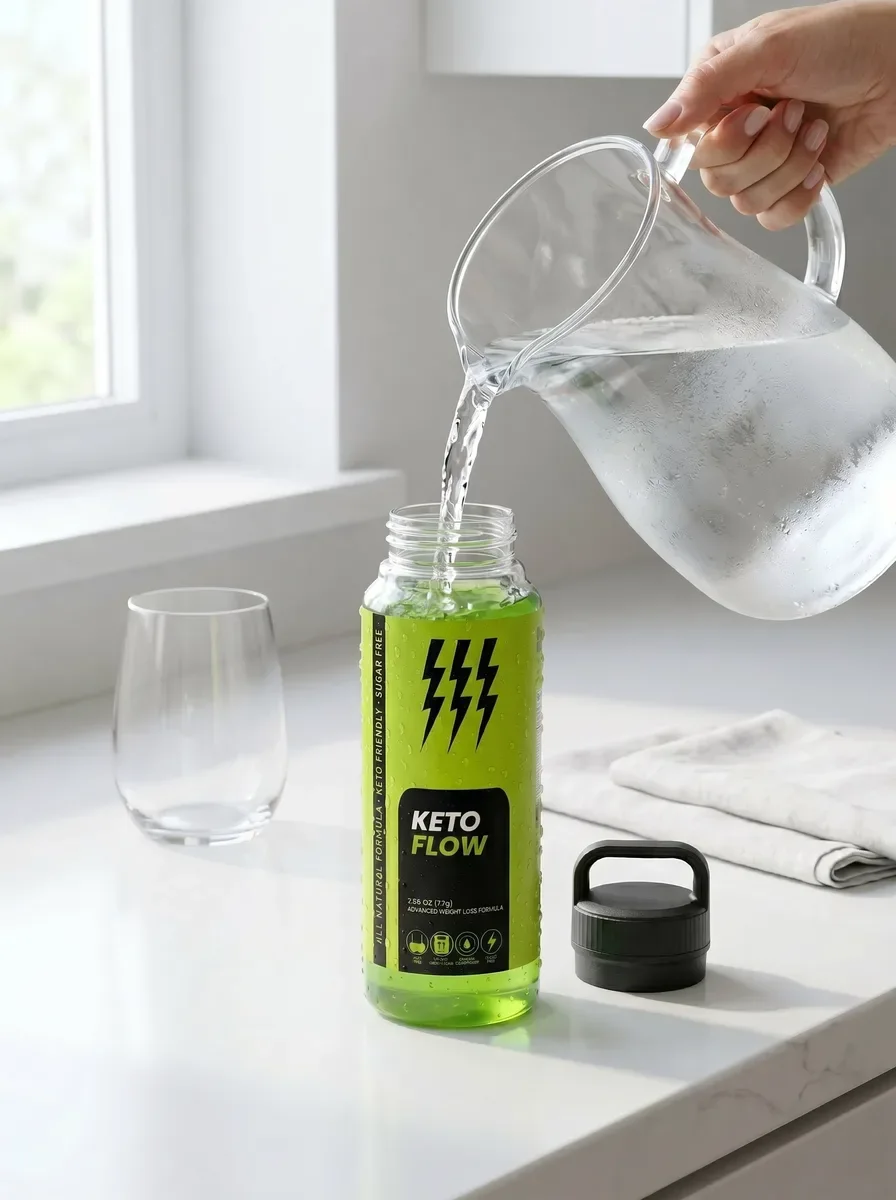
This is the part of a keto drink's story that stands up best, almost by accident of chemistry. In products like KetoFlow, BHB is delivered as a salt bound to sodium, magnesium and calcium. That means when you mix a scoop into a large glass of water, the minerals arrive dissolved alongside the ketones — close to a textbook answer to the transition problem. It is a genuinely sensible way to front-load electrolytes at the start of the day.
The honest caveat is dose. Whether any given product supplies enough sodium depends on the amount per scoop, and that figure is frequently not published on the label — KetoFlow's included. So treat an electrolyte drink as a strong contribution rather than a complete solution: if you are still feeling rough in week one, salt your food as well. Nothing in a scoop of powder replaces a couple of grams of deliberate sodium from your plate.
Safety: when more is not better
The instinct to overdo it once you understand the mechanism is real, and it is worth checking. Loading grams of sodium is genuinely unwise if you have high blood pressure, heart failure or kidney disease — that is a conversation with your doctor, not a decision to make from a webpage. Potassium supplements are capped in dose for a reason, and a large excess can affect heart rhythm, particularly if you take blood-pressure or heart medication. The goal is to replace what keto strips out and no more. Match your losses, keep potassium mostly on the plate, and let thirst guide your fluids rather than a rigid schedule.
See the electrolyte side of the formula
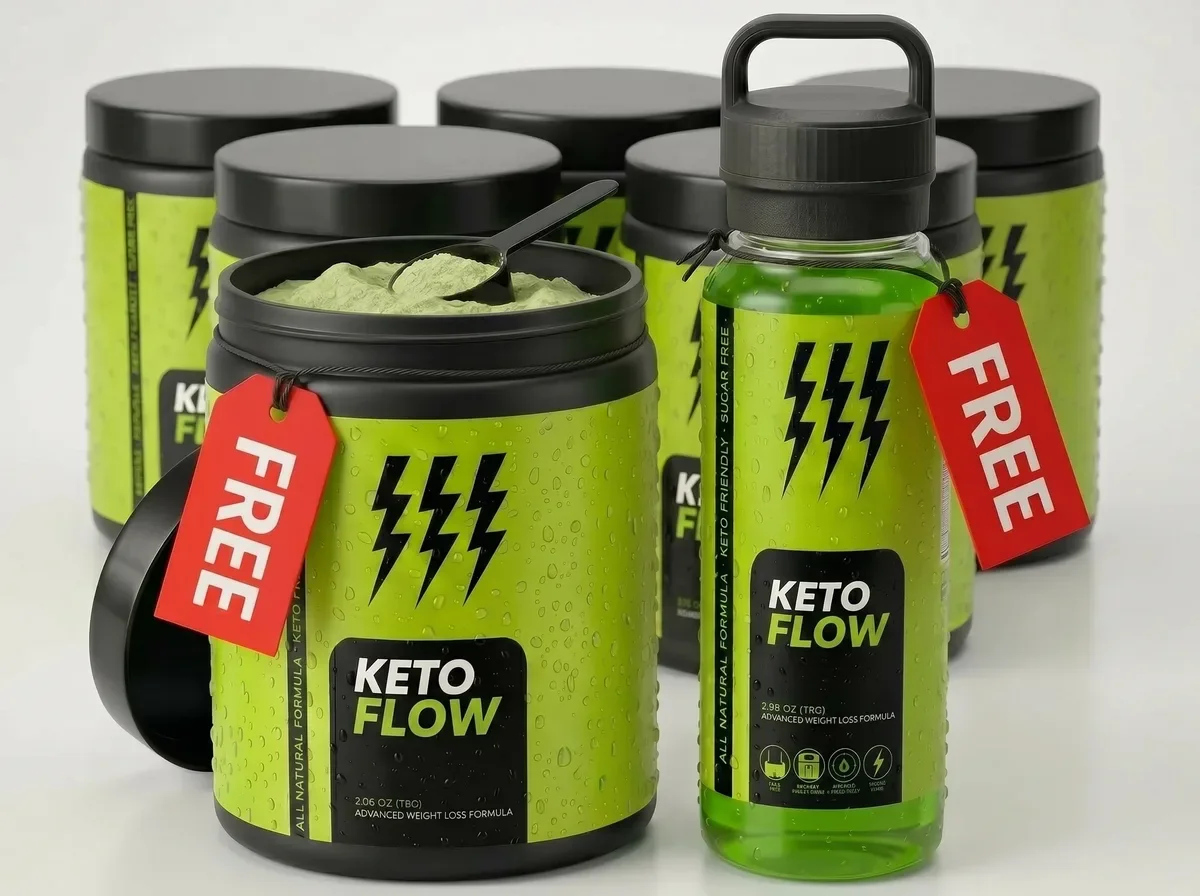
KetoFlow's BHB salts carry sodium, magnesium and calcium in every scoop. Our main page reads all six ingredients and marks every undisclosed amount as undisclosed.
Order NowFrequently asked questions
Which electrolytes matter most on keto?
Sodium first, then magnesium and potassium. Sodium is the one your kidneys actively excrete when insulin falls, so it is both the biggest loss and the one most people are used to avoiding. Magnesium is most linked to cramping and poor sleep, and potassium works alongside sodium in fluid balance and is easiest to get from food.
How much sodium should I add on keto?
Low-carb clinicians often discuss a range of roughly 3,000 to 5,000mg of sodium a day during the transition, which is more than most people eat on a standard diet. That is a general community figure, not a prescription. If you have high blood pressure, heart failure or kidney disease, set your number with your doctor rather than from an article.
Can too many electrolytes be harmful?
Yes. More is not better. Very high sodium is a genuine concern for people with high blood pressure or kidney problems, and potassium supplements are deliberately capped because a large excess can affect the heart, especially alongside certain medications. Aim to replace what keto strips out, not to megadose, and get potassium mainly from food.
Do I need electrolytes if I'm not getting keto flu?
If you feel fine, you are probably already getting enough sodium from salted food, and you do not need to force extra. Electrolyte replacement is about matching your losses, not hitting a target for its own sake. Keep magnesium and potassium coming from whole foods, salt to taste, and drink to thirst rather than to a schedule.