How to Stop Keto Leg Cramps at Night
How do you stop keto leg cramps at night?
Nighttime keto leg cramps usually mean low magnesium, potassium or sodium plus dehydration. The fix is replacement, not just stretching: an electrolyte drink before bed, an absorbable magnesium such as glycinate, and potassium-rich low-carb foods like avocado and spinach through the day. Salt your meals and drink to thirst.
- Root cause: lost sodium, magnesium and potassium plus fluid.
- Before bed: electrolyte drink and magnesium glycinate.
- From food: avocado (~975mg potassium), spinach, salmon.

Why keto cramps strike at night
There are few things as unwelcome as jolting awake at two in the morning with a calf locked in spasm. It is one of the most common complaints in early keto, and like most keto complaints it has a concrete, unglamorous cause rather than a mysterious one.
Start with the mechanism. Cutting carbohydrate lowers insulin, and low insulin tells the kidneys to let go of sodium. Water leaves with the sodium, and magnesium and potassium are shed alongside it. Those three minerals are exactly the ones that let a contracted muscle release; when they run low, the muscle stays over-excited and fires when it should be quiet. Add the mild dehydration that comes with the fluid loss and you have a muscle primed to cramp.
Why the night, and why the legs? During the day, movement keeps the leg muscles pumping and distracts you from the early twinges. Lying still for hours removes that, the calf and foot settle into shortened positions, and a muscle that is already short on relaxation minerals seizes. The timing feels dramatic, but it is really just the quietest part of the day exposing a shortfall that was building since morning.
The three minerals behind the cramp
Magnesium is the one most directly tied to muscle relaxation and the one most people are short on before keto even begins. It is usually the single most useful lever for night-time cramps, and the form matters: an absorbable version such as glycinate delivers a real dose without the loose-stool problem of cheap magnesium oxide.
Sodium is the mineral keto flushes most aggressively, and low sodium contributes to cramping as well as to the headaches and fatigue of the transition. Because it is lost fastest, it is often the quickest to make a difference when replaced.
Potassium works hand in hand with sodium in every muscle signal. It is best built up steadily from food rather than chased with pills, because supplemental potassium is deliberately capped at small doses for safety. The good news is that low-carb foods carry plenty: half an avocado delivers roughly 500mg, a whole one close to 975mg, and cooked spinach is dense in it too.
The before-bed routine that actually works
Because the shortfall builds through the day, the most effective approach is part daytime habit and part evening top-up. A routine that resolves most keto cramps looks like this:
Salt your food all day. Do not wait for bedtime to think about sodium. Salting meals more generously than habit dictates keeps blood sodium where it should be so the evening is not a rescue mission.
Eat potassium at dinner. Build the evening meal around a potassium-rich low-carb food — avocado, a big serving of cooked spinach, salmon — so it is on board before you lie down.
Take an electrolyte drink and magnesium before bed. A drink that carries sodium and magnesium, plus an absorbable magnesium such as glycinate, is the core of the fix. Glycinate has the added advantage of being gentle and mildly settling, which suits the timing.
Stretch, but do not rely on it. Gently stretching and flexing the calf before sleep can reduce the odds of a spasm and is worth doing. It treats the symptom, though, not the cause. If you stretch diligently and still cramp, the answer is almost always more complete mineral replacement, not more stretching.
Stretching a cramp-prone calf is like tightening a loose bolt with your fingers. It helps a little. Replacing the minerals is picking up the wrench.
What to do when a cramp hits
In the moment, the fastest relief is to gently stretch the affected muscle — for a calf cramp, straighten the leg and pull the toes up toward you, or stand and press the heel into the floor — and massage it until it releases. That handles the immediate spasm. The real work is afterward: treat a night-time cramp as a signal that the day's mineral replacement fell short, and tighten up the routine above rather than bracing for the same thing tomorrow.
How long they last, and when to check with a doctor
For most people, keto cramps are a feature of the transition rather than a permanent fixture. They tend to cluster in the first two or three weeks, while your kidneys are shedding sodium fastest and your intake has not yet caught up, and they fade as your routine settles and your body adapts to running on fat. If you replace minerals deliberately from day one, many people find they barely happen at all. If you do not, they can drag on for as long as the shortfall does.
There is a point where cramps stop being a nutrition story, though, and it is worth knowing. Occasional night cramps that respond to better mineral replacement are ordinary. Cramps that are frequent, severe, or accompanied by swelling, numbness, persistent weakness or muscle pain that lingers well beyond the spasm are worth raising with a doctor, as are cramps in anyone who takes diuretics, blood-pressure or heart medication, since those change how the body handles sodium and potassium. Replacement is the right first move; it is not a reason to ignore a pattern that does not add up.
Where a keto drink fits
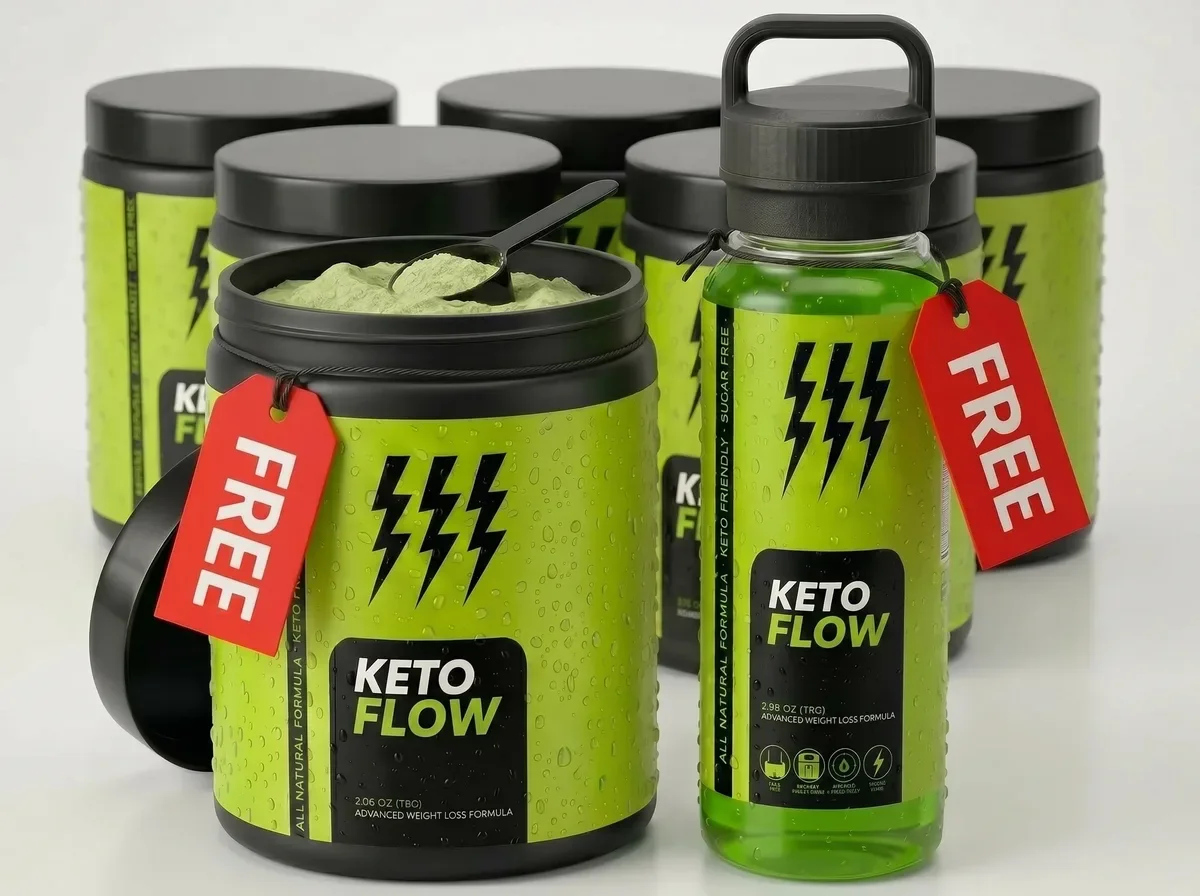
An electrolyte drink is a genuinely sensible vehicle here, because a single glass can carry several of the anti-cramp minerals at once. In products like KetoFlow, BHB is delivered as a salt bound to sodium, magnesium and calcium, so an evening scoop brings sodium and magnesium together with the ketones. The honest limits are two: the amounts per scoop are generally not published, KetoFlow's included, and the magnesium in a BHB salt is not glycinate. So use an electrolyte drink as strong daily support, pair it with a dedicated glycinate at night if cramps persist, and keep potassium coming from the plate. The drink is a convenience, not a complete substitute for salting your food and eating your greens.
See the electrolyte side of the formula
KetoFlow's BHB salts carry sodium, magnesium and calcium in every scoop. Our main page reads all six ingredients and marks every undisclosed amount as undisclosed.
Order NowFrequently asked questions
What causes leg cramps on the keto diet?
Keto leg cramps are usually a mineral shortfall, not a mystery. Low insulin makes the kidneys flush sodium, and water, magnesium and potassium are lost alongside it. Those three minerals govern how muscles relax, so as they drop the muscle stays over-excited and cramps — most noticeably in the calves and feet at night, when you are still.
What should I take for keto cramps before bed?
A practical evening routine is an electrolyte drink carrying sodium and magnesium, an absorbable magnesium such as glycinate, and a potassium-rich low-carb food earlier with dinner. Salt your food through the day so the sodium is already there. Stretch the calf before sleep as well, but treat replacement as the actual fix.
Which minerals stop muscle cramps fastest?
Sodium and magnesium tend to make the quickest difference on keto, because they are the ones most heavily lost and most directly tied to muscle relaxation. Potassium matters too but is best built up steadily from food rather than chased quickly, since supplemental potassium is capped at small doses for safety.
Are keto cramps a sign of dehydration?
Dehydration is part of it, but on keto it rarely acts alone. You lose water and the electrolytes dissolved in it together, so plain water without minerals can dilute what remains and leave the cramps in place. Fluids plus sodium, magnesium and potassium resolve nighttime cramps far more reliably than water on its own.