Why Keto Gives Headaches and How Sodium Helps
Why does keto cause headaches, and does sodium help?
Keto headaches usually come from sodium loss and the fluid shift that follows, not from cutting carbs directly. Low insulin makes your kidneys excrete sodium, blood volume dips, and your head aches. Replacing sodium and fluids together — salted water or broth — eases it within an hour for many people.
- Cause: low insulin → sodium loss → lower blood volume.
- Fix: a pinch of salt in water, or a cup of broth, plus fluids.
- Caution: agree salt targets with a doctor if you have high blood pressure.

The keto headache is not really about carbs
It is easy to assume that if a headache starts when you cut carbohydrate, carbohydrate must be the thing you are missing. That is the wrong link. The headache of early keto is a downstream effect of a hormonal change, and the change points squarely at salt and water rather than sugar.
Here is the chain. Insulin, among its many jobs, tells the kidneys to hold on to sodium. When you cut carbohydrate, insulin falls, and the kidneys start letting sodium go. Water follows sodium out of the body, so blood volume dips slightly. That small drop in volume, together with the fluid shifts around it, is what your body registers as the dull, pressing headache so many people report in the first few days — often alongside light-headedness when they stand and a general flat, foggy feeling. It feels like a flu and it is really a plumbing problem.
The useful part of understanding it this way is that it turns something mysterious into something with a direct answer. You do not need to add carbs back or wait it out for weeks. You need to replace what you are losing.
Why sodium is the lever, and how fast it works
Because sodium is the electrolyte being actively excreted, it is the one that most reliably turns the headache around. This is the part people find almost surprising: relief often arrives within about an hour of taking deliberate sodium, not after days. A quarter to half a teaspoon of ordinary salt stirred into a large glass of water, or better still a warm cup of salted broth, is the classic first move. Broth has the edge because it is easy to drink, feels like food, and pairs the sodium with fluid in a way the body absorbs comfortably.
If the headache eases and then creeps back later in the day, that is a signal to keep salting your meals rather than to reach for painkillers. The goal across the first week or two is simply to run a higher, deliberate sodium intake than you are used to, because your kidneys are running a higher output than you are used to.
Most people who quit keto with a pounding head in week one did not react badly to the diet. They reacted badly to being under-salted, and a spoon of salt would have answered it.
Where dehydration fits — and why water alone can fail
Dehydration is a real contributor to keto headaches, but on keto it almost never acts on its own, and this is where good intentions go wrong. Feeling the ache, many people reach for large volumes of plain water. It seems like the responsible thing to do. The problem is that if the underlying issue is low sodium, flooding the system with mineral-free water dilutes the sodium that remains and can leave the headache exactly where it was — or nudge it worse.
The correction is to stop thinking of it as thirst and start thinking of it as replacement. Drink to thirst, yes, but make sure the fluid carries sodium with it. Water is the delivery vehicle; the salt is the medicine. This one adjustment — salted water or broth instead of plain water — is what separates people who breeze through the transition from people who suffer for a fortnight and blame the diet.
How to dose sodium sensibly
A practical routine for the first couple of weeks looks like this. At the first sign of a headache, take a quarter to half a teaspoon of salt in a big glass of water, or a cup of broth, and repeat once an hour later if you need to. Then salt your meals more generously than habit tells you to for the rest of the day. Many low-carb clinicians discuss a daily transition range of roughly 3,000 to 5,000mg of sodium, which is well above standard advice precisely because keto changes how much you excrete. Treat that as a community ballpark, not a personal prescription.
And here is the caution that belongs in bold. If you have high blood pressure, heart failure or kidney disease, do not start loading grams of sodium on the strength of an article. Added salt genuinely matters for those conditions, and the right number for you is one to set with your doctor. The mechanism above is real for everyone; the safe dose is not the same for everyone.
When a headache is not a keto headache
Replacing sodium and fluids should help a true keto headache quickly, and that responsiveness is itself a useful test. If it does not respond, or if the picture looks different, do not assume the diet is to blame. Seek medical care for a headache that is sudden and severe or the worst you have ever had, or one that comes with fever, a stiff neck, confusion, vision changes, weakness, numbness or difficulty speaking. Also check in with a professional if a headache simply persists or worsens despite doing the electrolyte basics well. A headache is a common symptom with many causes, and only some of them have anything to do with what you are eating.
Where a keto drink fits
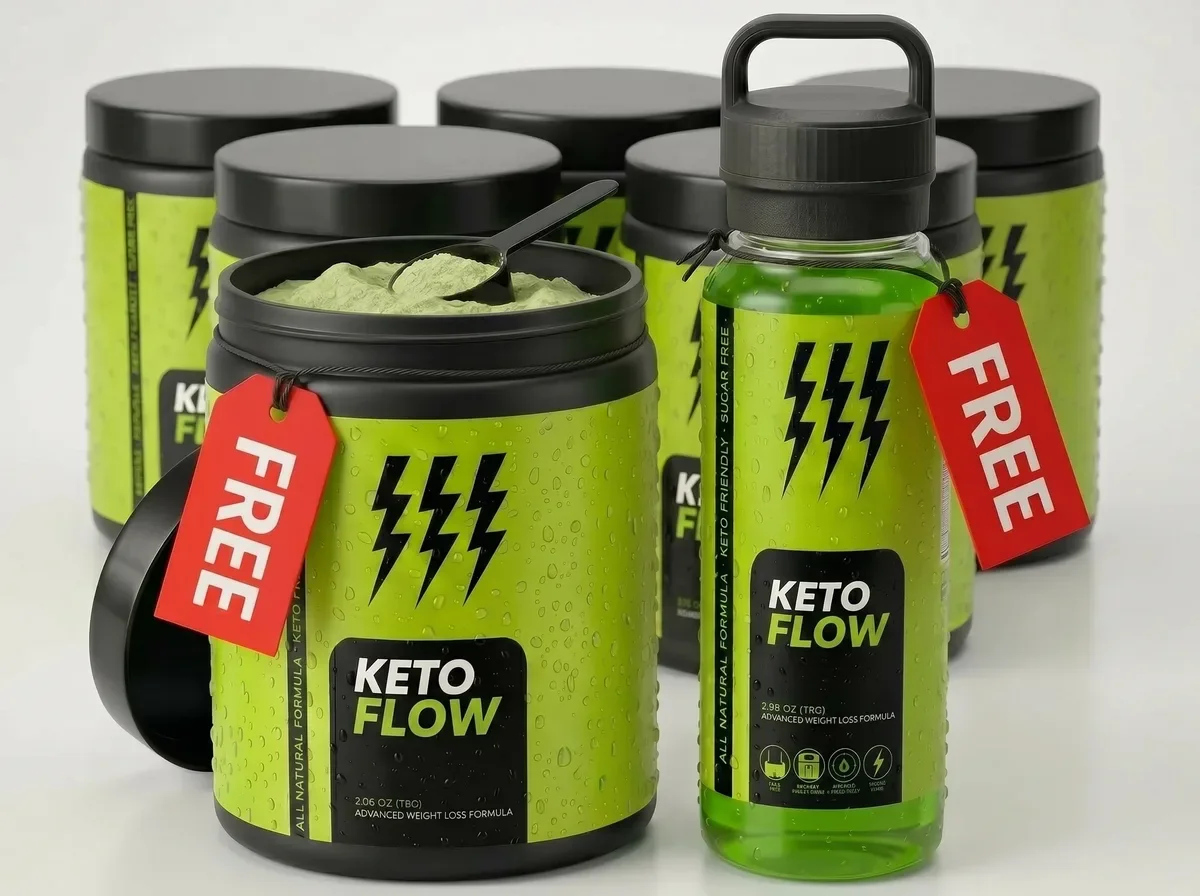
An electrolyte drink is a convenient way to front-load sodium, and this is the part of a keto drink's story that holds up well. In products like KetoFlow, BHB is delivered as a salt bound to sodium, magnesium and calcium, so a scoop mixed into water carries sodium alongside the ketones — a reasonable morning defence against the headache before it starts. The honest limit is dose: the amount of sodium per scoop is generally not published, KetoFlow's included, so if a headache is already underway, do not rely on the drink alone. A specific pinch of salt or a cup of broth is the faster, more certain fix, with the drink as useful daily support.
See the electrolyte side of the formula
KetoFlow's BHB salts carry sodium, magnesium and calcium in every scoop. Our main page reads all six ingredients and marks every undisclosed amount as undisclosed.
Order NowFrequently asked questions
Why do I get headaches when starting keto?
As carbohydrate drops, insulin falls and the kidneys excrete sodium along with the water it holds. Lower blood volume and fluid shifts are what most keto headaches come from, rather than the absence of carbs itself. It usually appears in the first few days and eases quickly once sodium and fluids are replaced deliberately.
How much salt fixes a keto headache?
Many people find that a quarter to half a teaspoon of salt stirred into a large glass of water, or a warm cup of salted broth, eases the ache within an hour. Repeat once if needed and salt your meals for the rest of the day. If you have high blood pressure, agree your salt intake with your doctor first.
Can dehydration alone cause keto headaches?
Dehydration contributes, but on keto it rarely acts alone. Because low insulin makes you shed sodium and the water bound to it, plain water without minerals can dilute the sodium that remains and leave the headache in place. Fluids and sodium together resolve it far more reliably than drinking water on its own.
When is a keto headache a reason to see a doctor?
Salt and fluids should help a genuine keto headache quickly. See a doctor if it is sudden and severe, the worst you have had, or comes with fever, a stiff neck, confusion, vision changes, weakness or numbness, or if it persists or worsens despite replacing electrolytes. A headache is not always about the diet, and those signs are not ones to wait out.