Lazy Keto vs Strict Keto: Which Works Better?
Is lazy keto or strict keto better?
For weight loss, both work when they keep you in a calorie deficit; the deciding factor is which one you can sustain. Lazy keto tracks only carbohydrate and is easier to follow, while strict keto tracks every macro and food quality for tighter control. For most people, consistency beats precision.
- Lazy keto: cap net carbs at 20-50g, ignore the rest.
- Strict/clean keto: track carbs, protein, fat and food quality.
- Dirty keto: hits macros with processed food; fine short-term, thin on nutrients.
"Keto" has quietly split into several dialects, and the two that matter most for anyone trying to lose weight are lazy keto and strict keto. The names sound like a value judgement, disciplined versus lazy, but they describe how much you track, not how committed you are. Understanding the real difference is the fastest way to pick the version you will still be doing in three months, which is the only version that actually works.
The short answer is that both can produce weight loss, because both push you toward a low-carbohydrate, higher-fat pattern that tends to blunt appetite. Where they diverge is precision, and precision cuts both ways: it gives strict keto tighter control and gives lazy keto a far lower chance of you quitting. What follows is what each one actually asks of you, the blind spots hiding in each, and how to choose honestly.
What lazy keto actually is
Lazy keto has one rule: keep net carbohydrate under a ceiling, usually somewhere between twenty and fifty grams a day, and do not worry about anything else. You do not weigh your food, count calories, or track protein and fat. If it fits under the carb cap, it counts.
The appeal is obvious. Tracking a single number is something most people can do in their head at the grocery store, and the mental load of a diet is one of the biggest predictors of whether it survives contact with real life. By removing the spreadsheet, lazy keto removes the main reason people abandon keto in the second week.
That simplicity is also its weakness. Because you are only watching carbs, two things can drift unnoticed: total calories and protein. It is entirely possible to stay under twenty grams of carbs while eating well past your energy needs, because fat is calorie-dense and "keto" snacks are engineered to be moreish. If the scale stalls on lazy keto, unmonitored calories are almost always the reason.
What strict (or clean) keto asks of you
Strict keto, often called clean keto, tracks all three macronutrients, carbohydrate, protein and fat, usually to a target ratio, and pays attention to food quality on top. The classic split is roughly seventy percent of calories from fat, twenty to twenty-five percent from protein and five to ten percent from carbohydrate, with the food coming from whole sources: meat, fish, eggs, dairy, nuts and low-carb vegetables rather than packaged products.
The payoff is control. When you know your protein and calorie numbers, a plateau stops being a mystery. You can see whether you are eating too much, too little, or knocking yourself out of ketosis with creeping carbs. For people who like data, who have a specific target, or who have stalled on a looser approach, that visibility is genuinely useful.
The cost is effort. Weighing food and logging every macro is a real daily task, and for a lot of people it is the exact friction that ends the diet. Strict keto rewards the people who will actually keep the log; it punishes the people who think they will and then don't.
The best diet is not the one with the tightest numbers. It is the one you are still following when the numbers would otherwise have stopped mattering.
Where dirty keto fits
There is a third label worth naming: dirty keto. Dirty keto hits the macro targets, low carb and high fat, but does not care where the food comes from. Fast-food burgers minus the bun, processed meats, diet soda and packaged low-carb bars all qualify.
Does it work? In the narrow sense of getting you into ketosis and lowering carbs, yes, at least in the short term. The problem is nutrition, not ketosis. A diet built on processed food tends to be low in fibre, potassium, magnesium and the micronutrients that whole foods carry, and high in sodium and additives. You can be in textbook ketosis and still be eating poorly. Dirty keto is best treated as a bridge, a way to start when whole-food cooking feels impossible, not a destination.
Which one loses more weight?
Here is the part the labels obscure: neither carb-counting style burns fat on its own. Weight loss still comes down to energy balance. Keto helps mainly because protein and fat are satiating and cutting carbs removes a whole category of easy-to-overeat food, so most people naturally eat less without feeling deprived. That effect shows up on both lazy and strict keto.
In head-to-head terms, strict keto has a theoretical edge because it closes the calorie and protein blind spots that let lazy keto stall. But that edge only exists if you keep tracking. In the real world, a person doing lazy keto consistently for six months will almost always out-lose a person who did strict keto perfectly for three weeks and then quit. Adherence is the variable that dwarfs the rest.

The protein blind spot no one mentions
If there is one thing lazy keto gets wrong most often, it is protein, and usually by having too little rather than too much. Because lazy keto only watches carbs, protein can quietly drop, and protein is what protects your muscle while you lose fat and keeps you full between meals. Under-eating protein in a calorie deficit is how people lose weight and end up softer rather than leaner.
This is the strongest single argument for adding one more number to lazy keto even if you add nothing else: a rough protein target, often around 0.7 to 1.0 grams per pound of goal body weight. It is a "lazy-plus" approach, track carbs and protein and ignore the rest, and it captures most of strict keto's benefit for a fraction of the effort.
The mistakes that stall both
Two errors sink weight loss regardless of which style you choose. The first is hidden carbohydrate: sauces, dressings, "low-fat" products and restaurant dishes carry more sugar than people expect, and a few unnoticed grams a day can be enough to keep you hovering at the edge of ketosis. The second is treating "keto" as a licence to eat unlimited fat. Fat is the most calorie-dense nutrient there is, and drizzling extra oil or butter onto everything because it is "allowed" is the quickest way to erase a deficit you cannot see because you are not counting calories. Lazy keto is especially exposed to both, which is why even a loose sanity check on portions is worth the small effort.
How to choose honestly
Ask yourself one question before the others: will I actually log my food every day? If the honest answer is no, strict keto is not the more effective choice for you, because a plan you don't follow has an effectiveness of zero. Start lazy, cap carbs, keep a loose eye on protein, and let the simplicity carry you.
If you genuinely enjoy tracking, have a defined goal, or have already stalled on a looser plan, strict keto's precision is worth the effort and will get you unstuck faster. And whichever you pick, lean toward clean over dirty: the whole-food version costs a little more thought and pays it back in fibre, electrolytes and micronutrients that make the whole thing easier to sustain.
Where a drink like KetoFlow fits
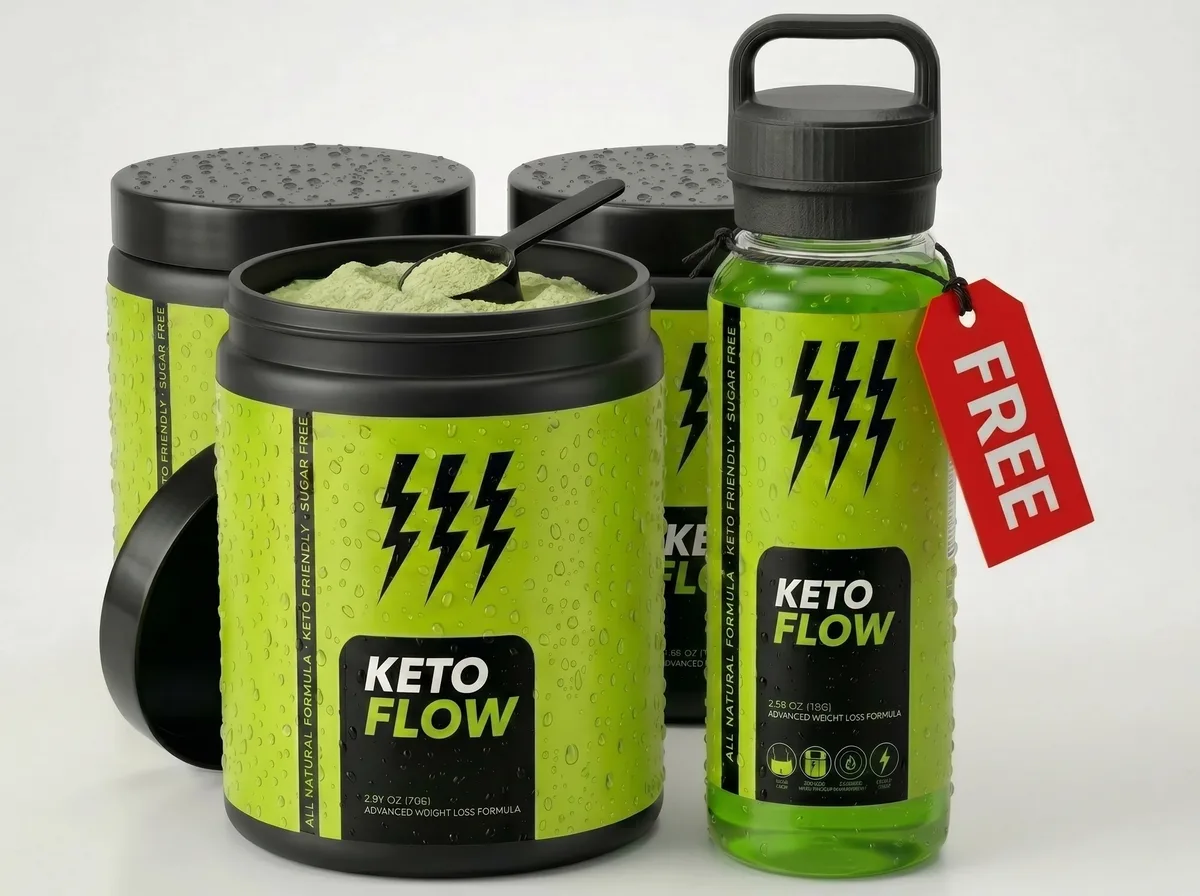
Neither lazy nor strict keto is made easier by a supplement that promises to do the work for you, and any product that claims to is overselling. What a powdered keto drink can plausibly do is narrower and more useful: replace some of the sodium, magnesium and potassium you flush out when you cut carbs, which is the real cause of early keto fatigue, and add MCTs that raise ketones during the transition. On dirty keto in particular, where electrolytes and micronutrients run thin, that supporting role is more relevant, not less. It is a convenience during the adjustment, not a substitute for the food choices that actually create the deficit. Our main page lists all six ingredients and flags every undisclosed amount.
The bottom line
Lazy keto and strict keto are not beginner and advanced versions of the same thing; they are a trade between simplicity and control. Lazy keto wins on sustainability, which is why it wins for most people. Strict keto wins on precision, which matters when you have a target or a plateau. Dirty keto works in a pinch but shortchanges your nutrition. Pick the one you will still be doing at the end of the year, add a rough protein target whatever you choose, and let consistency do the heavy lifting.
Related reading
Whichever keto you choose
KetoFlow pairs BHB salts and MCT powder with the electrolytes low-carb eating strips out. Our main page reads all six ingredients and marks every undisclosed amount.
Order NowFrequently asked questions
What is the difference between lazy and strict keto?
Lazy keto tracks only one number, net carbohydrate, usually kept under twenty to fifty grams a day, and ignores everything else. Strict, or clean, keto tracks all three macronutrients, carbohydrate, protein and fat, to a target ratio and also pays attention to food quality. The difference is precision, not commitment.
Is lazy keto effective for weight loss?
Yes, for many people it is, because capping carbohydrate tends to lower appetite and cut out easy-to-overeat foods, which creates a calorie deficit without much conscious effort. Its main weakness is that unmonitored calories and protein can drift, so if the scale stalls, that is usually the reason. Adding a rough protein target fixes most of it.
What is dirty keto and is it bad?
Dirty keto hits low-carb, high-fat targets using processed foods such as fast food without the bun, packaged bars and diet soda. It will get you into ketosis short term, so it is not useless, but it tends to be low in fibre and micronutrients and high in additives. It is best used as a temporary bridge, not a long-term way of eating.
Which keto style is easiest to stick to?
Lazy keto is the easiest to sustain for most people, because tracking a single number carries far less daily mental load than logging every macro. Since consistency matters more than precision for weight loss, that ease is a real advantage. A good middle path is to track carbs and protein but nothing else.