How Much Protein on Keto Without Leaving Ketosis
How much protein should you eat on keto?
Aim for roughly 0.6 to 1.0 grams of protein per pound of lean body mass, which puts most people between about 90 and 150 grams a day. The old fear that protein kicks you out of ketosis is largely a myth: your body makes glucose on demand, not automatically from every extra gram. Adequate protein preserves muscle and controls appetite.
- Target: ~0.6–1.0g per pound of lean mass, higher if active or older.
- Gluconeogenesis is demand-driven — not a reason to fear protein.
- Protein matters more, not less, if you are using a GLP-1 medication.

The myth that will not die
Ask a keto forum how much protein is safe and you will still hear the old warning: keep it low, because "excess protein turns into sugar" and knocks you out of ketosis. It is one of the most repeated ideas in low-carb culture, and it is mostly wrong. Worse, it pushes people toward the exact mistake that sabotages their results — eating too little protein, losing muscle along with fat, and feeling hungry the whole time.
The myth grew out of a real process with a real name, gluconeogenesis, and then got badly oversimplified. Once you understand how that process actually behaves, the fear falls apart, and you can set a protein target that supports fat loss instead of fighting it.
What gluconeogenesis really does
Gluconeogenesis is your body manufacturing glucose from non-carbohydrate raw materials — lactate, glycerol, and some amino acids that come from protein. It is not a keto side effect or a malfunction. It runs around the clock, in everyone, keto or not, because a few tissues and cells genuinely need a small, steady supply of glucose that fat cannot provide. Without it you could not survive an overnight fast.
Here is the part the myth leaves out. Gluconeogenesis is demand-driven, not supply-driven. Your body produces roughly as much glucose as it needs and no more; it does not grab every spare amino acid from a steak and dutifully convert it into sugar just because it is there. Research tracking the process shows it stays relatively stable and tightly regulated even when protein intake goes up. The rate is set by how much glucose the body requires, not by how much protein happens to be on your plate.
So the mental model of "protein leaks into carbs" is backwards. Eating more protein does not force a flood of new glucose. Your body pulls what it needs and lets the rest do the jobs protein is actually for: building and repairing tissue, running enzymes, and keeping you full.
Your body makes glucose because it needs glucose — not because you ate protein. That single correction is what frees most people to eat enough.
So how much should you actually eat?
A practical, widely used range is roughly 0.6 to 1.0 grams of protein per pound of lean body mass. Lean mass means your weight minus your body fat, so if you are carrying a lot of fat to lose, base the number on a healthy goal weight rather than your current scale weight. For most people that math lands somewhere between about 90 and 150 grams of protein a day.
Where you sit in that range depends on you. Move toward the top — 0.8 to 1.0g per pound — if you strength train, if you are older, or if you are losing weight quickly, because all three raise your need to protect muscle. Sit lower only if you are sedentary and younger and losing slowly. If you are unsure, err upward. The downside of slightly too much protein is almost nothing for a healthy person; the downside of too little is muscle loss and constant hunger.

Why protein is your best friend for fat loss
Protein earns its place on keto for two reasons that have nothing to do with ketones. First, it is by far the most satiating macronutrient. Gram for gram, protein does more to quiet appetite than fat or carbohydrate, so a protein-forward day makes an eventual calorie deficit far easier to hold without white-knuckle willpower. A great deal of keto's appetite-suppressing reputation is really just adequate protein doing its job.
Second, protein preserves lean muscle while you lose fat. When you run a calorie deficit, your body can pull material from both fat and muscle. Eating enough protein — especially alongside any resistance training — tilts that heavily toward fat and spares the muscle. That matters beyond the mirror, because muscle is metabolically active tissue. Protect it and you protect your metabolic rate, which is exactly what keeps weight off after the diet ends. Under-eat protein and you can lose weight on the scale while quietly making your future harder.
The GLP-1 wrinkle
This deserves its own note in 2026, because so many people now combine a low-carb approach with a GLP-1 medication. These medications work largely by dramatically reducing appetite, which is effective — but the flip side is that people on them often eat very little overall, and protein is frequently the first casualty. Eating almost nothing sounds like fast progress, and some of it is; but rapid weight loss with too little protein carries a well-documented risk of losing a large share of the weight as muscle rather than fat.
The takeaway is not to avoid these tools. It is that if you are using one, hitting your protein target becomes more important, not less, precisely because your appetite is suppressed and you have to be deliberate about it. Prioritise protein at every meal, even a small one, and consider it non-negotiable before fat and carbohydrate. If food volume is genuinely hard, that is the situation where a protein-focused strategy earns the most.
Common protein mistakes on keto
Under-eating out of fear. The single most common error, driven by the myth above. People keep protein artificially low, then wonder why they are ravenous and losing muscle.
Drowning protein in fat. Classic keto messaging pushed very high fat, which is fine for energy but easy to overdo. If fat loss is the goal, protein should be the anchor of the meal and fat the adjustable lever, not the other way round.
Ignoring protein quality and timing. Spreading protein across meals, rather than cramming it into one, supports muscle better. Complete sources — meat, fish, eggs, dairy — make hitting the target simpler than trying to piece it together from scraps.
Where a keto drink fits
It is worth being clear about what a product like KetoFlow does and does not do here. A BHB-and-MCT keto drink is not a protein supplement and should not be treated as one; your protein target is met at the table, from food. What a keto drink can do is support the surrounding routine — the energy and electrolyte side of the transition — while your meals do the heavy lifting on protein.
As always, the honest caveat is the label. Judge any supplement on its published amounts, and note that per-scoop figures on this category are often vague, KetoFlow's included. No scoop of powder changes the core rule of this article: eat enough protein, from real food, and stop fearing it.
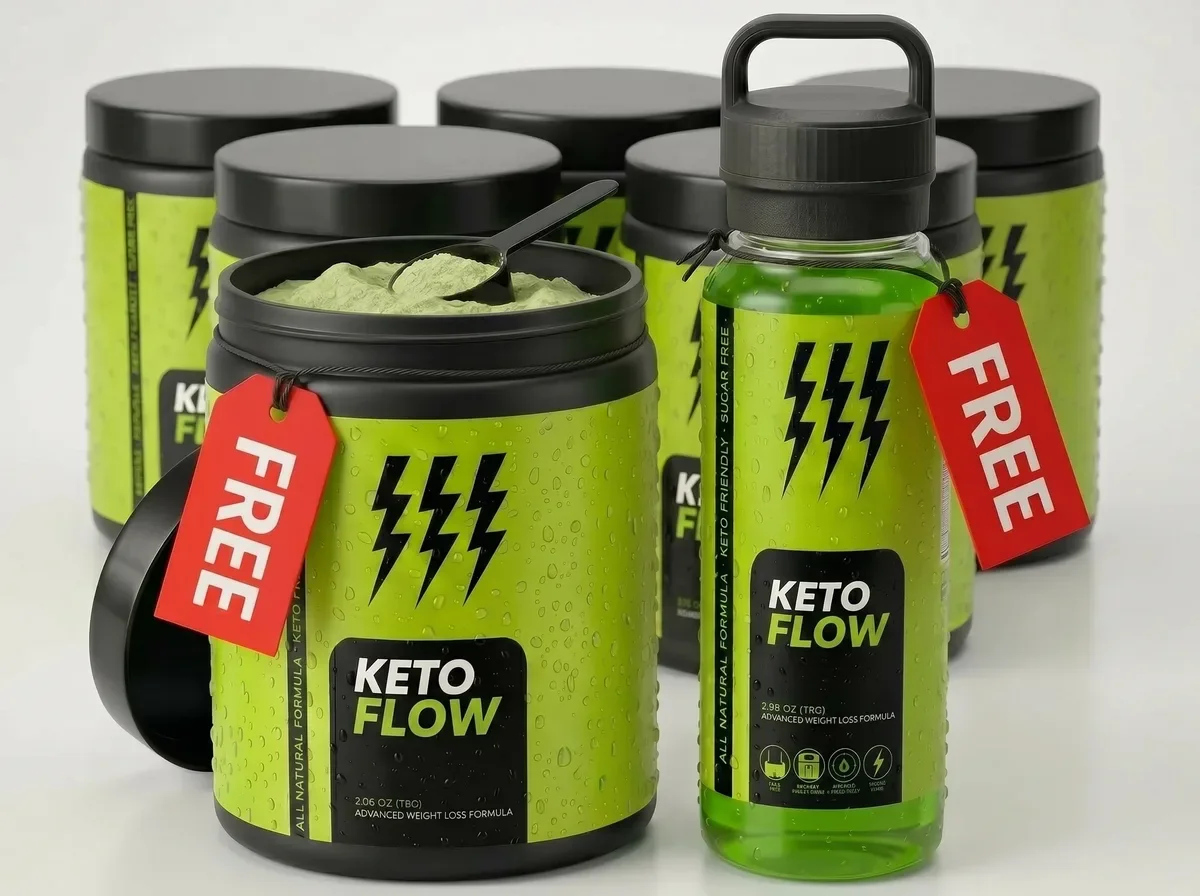
Support the routine around your protein
KetoFlow is a BHB-and-MCT keto drink for the energy and electrolyte side of low-carb living. Our main page reads all six ingredients and marks every undisclosed amount as undisclosed.
Order NowFrequently asked questions
Does too much protein stop ketosis?
For most people, no. This is one of the most persistent keto myths. Your body does not convert surplus protein into glucose on a fixed schedule; it makes glucose on demand, only as much as it needs. Eating a normal high-protein meal does not flip you out of ketosis. You would have to eat protein in genuinely extreme amounts, and cut fat drastically, before it mattered.
How many grams of protein should I eat on keto?
A widely used range is roughly 0.6 to 1.0 grams of protein per pound of lean body mass, or per pound of a healthy goal weight if you are carrying a lot of fat to lose. That usually lands most people between about 90 and 150 grams a day. Active people, older adults and anyone strength training sit toward the top of that range.
What is gluconeogenesis and does it matter?
Gluconeogenesis is your body making glucose from non-carbohydrate sources, including some amino acids from protein. It runs constantly and is essential to life. The key point is that it is demand-driven, not supply-driven: your body ramps it to meet its glucose needs rather than blindly converting every extra gram of protein you eat. For most keto dieters it is not a reason to fear protein.
Why is protein important for keto weight loss?
Protein does two things that directly help weight loss. It is the most filling macronutrient, so adequate protein blunts appetite and makes a calorie deficit easier to sustain. It also preserves lean muscle while you lose fat, which protects your metabolic rate. Under-eating protein tends to cost you muscle and leave you hungrier, which is the opposite of what you want.