Keto vs GLP-1 Drugs for Weight Loss in 2026
Is keto or a GLP-1 drug better for weight loss?
In trials, GLP-1 drugs like semaglutide produced more weight loss, around 14.9% of body weight over 68 weeks, than keto typically does, at roughly 10-12% for adherent dieters. But keto costs far less, needs no prescription, and both risk lean-mass loss. The right choice depends on your budget, health and goals. This is not medical advice.
- Semaglutide: around 14.9% body-weight loss over 68 weeks in trials.
- Keto: typically 10-12% at most, and only while adhered to.
- Both: can cost you muscle; protein and resistance training protect it.

Two of the most talked-about approaches to weight loss in 2026 could not be more different in how they work or what they cost. On one side is the ketogenic diet: free, self-directed, decades old. On the other are the GLP-1 receptor agonist medications, semaglutide and its relatives, prescription drugs that have reset expectations for how much weight a treatment can shift. People increasingly want to know which one to choose, and the honest answer has more moving parts than the headlines suggest.
Before anything else: this article compares published outcomes and trade-offs; it is not medical advice, and GLP-1 medications are prescription drugs whose use is a decision for you and a qualified clinician. What follows is meant to help you ask better questions, not to tell you what to put in your body.
What GLP-1 drugs actually do
GLP-1 is a hormone your gut releases after eating that signals fullness and slows how fast your stomach empties. The medications mimic it. By amplifying that signal, they sharply reduce appetite and make people feel full on far less food, which produces a calorie deficit without the constant hunger that sinks most diets. The effect is powerful and, importantly, pharmacological: it acts on your biology directly rather than relying on willpower.
That power comes with the usual caveats of any medication. Side effects, most commonly nausea and gastrointestinal upset, are common early on; the cost and access story is far from simple; and the appetite suppression generally lasts only as long as you keep taking the drug. Stop, and appetite, and often the weight, tends to return.
What keto actually does
Keto approaches the same target, a calorie deficit, from a different direction. By cutting carbohydrate to the point that the body shifts to burning fat and producing ketones, it tends to blunt appetite through steadier blood sugar and the satiating nature of protein and fat. No prescription, no injection, no pharmacy, just a change in what you eat.
Its ceiling is lower and its demands are higher. Keto asks for ongoing discipline, meal planning and a tolerance for restriction that many people cannot sustain indefinitely, and like any diet its results fade if you stop following it. But it is available to anyone, today, at the price of groceries.
The head-to-head numbers
This is where the comparison gets concrete. In the landmark 68-week trial of once-weekly semaglutide for weight management, participants lost on average about 14.9 percent of their body weight, versus roughly 2.4 percent on placebo, a scale of result that is simply higher than diet alone typically reaches.
Ketogenic diets, by comparison, tend to produce weight loss in the region of ten to twelve percent at the higher end for people who adhere well, and often less once the first months pass and adherence loosens. On the raw numbers, the drug wins on magnitude. But two footnotes matter enormously. First, the trial figure reflects supervised use with support, and real-world results vary. Second, and more importantly, the diet figure is free and self-administered. The right way to read this is not "the drug is better" but "the drug produces more weight loss, at a cost and with trade-offs the diet does not carry."
The lean-mass problem neither side advertises
Here is the detail that reframes the whole comparison: not all lost weight is fat. Rapid weight loss of any kind, drug or diet, tends to strip away lean muscle alongside fat, and some analyses of GLP-1 users suggest that up to roughly forty percent of the weight lost can be lean mass unless steps are taken to protect it. Muscle is metabolically valuable and hard to regain, so losing a large share of it is a poor trade even when the scale is moving nicely.
Keto is not immune to this either, particularly the lazy version where protein drifts too low. The protections are the same regardless of method: eat enough protein, and do resistance training. This is precisely why some approaches now try to combine the tools deliberately.
The scale measures weight, not fat. A drop that comes largely out of muscle is a worse outcome than a smaller drop that spares it, whichever method produced the number.
Cost and access
The gap here is stark. GLP-1 medications can cost hundreds to over a thousand dollars a month without insurance coverage, and coverage for weight management specifically remains inconsistent. Supply, prescriber access and the commitment to ongoing injections are all real friction. Keto's cost is whatever your food costs, arguably less than a carb-heavy diet if you cook, since you are buying fewer processed products. For a great many people, that difference alone decides the question before efficacy ever enters into it.
Why some now combine them
One of the more interesting threads in 2026 is not keto versus GLP-1 but keto with GLP-1. The logic is that a lower dose of medication can supply the appetite suppression while a protein-forward ketogenic diet supplies the nutrition quality and, critically, the protein and resistance-training stimulus that protect muscle. Early research pairing low-dose semaglutide with a high-protein, lower-carbohydrate pattern is exploring exactly this: keeping the drug's weight-loss magnitude while blunting its lean-mass cost. It is promising and still maturing, and it is emphatically something to pursue with a clinician rather than improvise.
The regain question
The comparison that gets too little attention is not how much weight comes off but how much stays off. Here the two approaches share a problem: both tend to lose their grip when you stop. Trials that followed people after they discontinued a GLP-1 medication have generally shown a substantial portion of the lost weight returning over the following year, because the appetite that the drug was suppressing comes back once the drug is gone. Keto behaves the same way. Stop restricting carbohydrate, and the appetite and eating patterns that produced the weight tend to reassert themselves.
The honest conclusion is that neither is a course of treatment you finish. Both are ongoing changes, one pharmacological and one dietary, and whichever you choose, the real question is which one you can imagine maintaining for years rather than weeks. That framing often matters more than the difference in peak weight loss, because a smaller loss you keep beats a larger one you regain.
Which suits whom
If you have a large amount of weight to lose, have struggled with hunger on every diet, and have access and medical support, a GLP-1 medication may achieve what diet alone has not, a decision for you and your doctor. If cost, access, or a preference for a drug-free approach weigh heavily, or if you have a moderate amount to lose and can sustain the eating pattern, keto is a legitimate, far cheaper route. Neither is a permanent fix you can walk away from; both require an ongoing change to keep the result.
Where a drink like KetoFlow fits
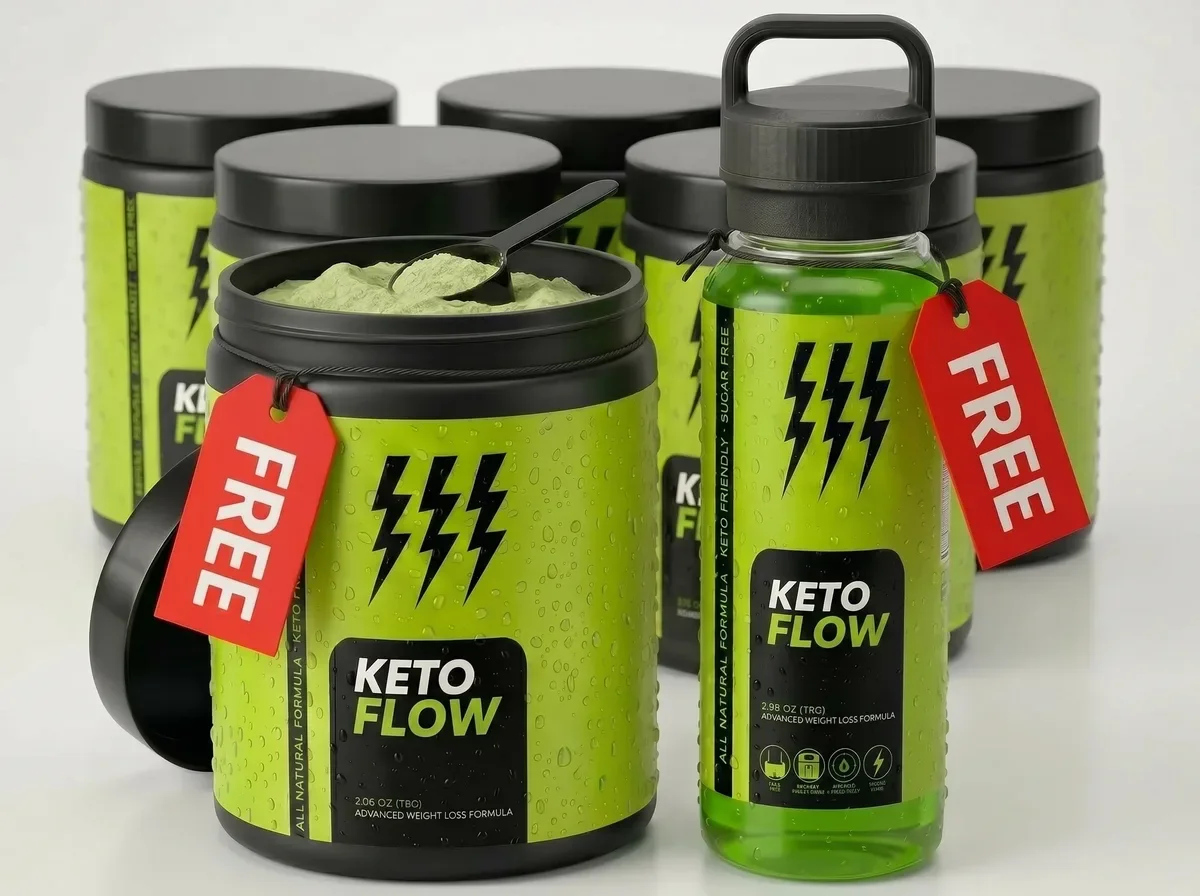
A keto electrolyte drink is a minor supporting player in either scenario, and it is important not to overstate it. On keto, it can replace the sodium and minerals you lose cutting carbs and add MCTs during the transition. For someone pairing a diet with medication, the relevant angle is that GLP-1 users often eat very little and can fall short on both electrolytes and protein, so any tool that helps meet those needs is worth considering, as an adjunct discussed with a clinician, not a self-prescribed fix. It does not enhance a medication and makes no such claim. Our main page lists all six ingredients and flags every undisclosed amount.
The bottom line
On magnitude of weight loss, GLP-1 drugs currently lead, about 14.9 percent over 68 weeks in trials versus keto's typical ten to twelve percent, but they carry cost, access hurdles, side effects and a lean-mass toll, and their benefit lasts only as long as you take them. Keto is cheaper, needs no prescription and is available now, at the price of discipline and a lower ceiling. Both demand protein and resistance training to protect muscle, and the most interesting current work combines them under supervision. Whatever you are weighing, treat this as a starting point for a conversation with a qualified professional, not a substitute for one.
Related reading
If keto is your route
KetoFlow pairs BHB salts and MCT powder with the electrolytes low-carb eating strips out. Our main page reads all six ingredients and marks every undisclosed amount.
Order NowFrequently asked questions
Is keto or semaglutide better for weight loss?
On the raw numbers, semaglutide produced more weight loss in trials, around 14.9 percent of body weight over 68 weeks, than a ketogenic diet, which typically reaches ten to twelve percent at best. But the drug carries cost, side effects and a lean-mass toll the diet does not, and works only while you take it. Better depends on your budget, health and goals, and is a decision for you and a clinician.
Can you do keto while on a GLP-1 medication?
Many people do, and some 2026 research is specifically exploring pairing a high-protein, lower-carbohydrate diet with a low dose of medication. Because GLP-1 drugs sharply reduce appetite, the main cautions are eating enough protein and staying hydrated with electrolytes on a very small intake. It should be done with a clinician, not improvised, so doses and nutrition can be managed together.
Does keto help preserve muscle on GLP-1 drugs?
A protein-forward version can help. Rapid weight loss on GLP-1 medications can include a large share of lean mass, by some estimates up to around forty percent of the weight lost, and the standard protections are adequate protein and resistance training. A ketogenic diet built around high protein supports both, whereas a low-protein lazy version does not, so how you do keto matters here.
Which is cheaper, keto or GLP-1 medications?
Keto is far cheaper. Its cost is essentially your grocery bill, which can be lower than a carb-heavy diet if you cook, whereas GLP-1 medications can run from several hundred to over a thousand dollars a month without insurance, and coverage for weight management remains inconsistent. For many people the price difference decides the question before effectiveness is even considered.