Keto Macros Explained: Fat, Protein, Carbs Split
What is the keto macros split?
The classic keto macros ratio is about 70 to 75 percent fat, 20 to 25 percent protein, and 5 to 10 percent carbohydrate. But percentages are the wrong place to start. Set your carbs first as a hard gram limit, set protein by body weight, then use fat as the flexible filler you turn down to lose and up to maintain.
- Carbs first: a hard 20–50g ceiling to stay in ketosis.
- Protein by body weight: ~0.6–1.0g per pound of lean mass.
- Fat is the dial — down to lose fat, up to maintain.
What "macros" actually means
Macros is short for macronutrients: the three things that make up the calories in your food — fat, protein and carbohydrate. Tracking macros just means paying attention to how many grams of each you eat, rather than only counting calories. On keto it matters more than on most diets, because the whole approach depends on keeping one macro very low while the other two do specific jobs.
You will see keto expressed as a set of percentages, most often somewhere around 70 to 75 percent of calories from fat, 20 to 25 percent from protein, and 5 to 10 percent from carbohydrate. That is a fine picture of what a keto day tends to look like on a plate. It is a terrible place to start building your own plan, and understanding why is the key to getting macros right.
Why percentages are the wrong starting point
Percentages describe a result; they do not tell you what to eat. Worse, they scale in confusing ways. If you set fat at 75 percent and then eat less overall, your fat target shrinks in grams even though nothing about your body changed. Chase the percentage and you can end up eating fat you do not need simply to "hit your ratio", which is exactly how people stall.
The high fat percentage also gets misread as a high fat requirement. It is not. That number is high largely because fat is calorie-dense and fills the space left once carbs are minimal — not because your body demands a fixed flood of dietary fat. When you are trying to lose weight, some of the fat you burn should come off your body, not out of a bottle of oil. A rigid 75 percent target quietly fights that.
Percentages are a snapshot of a finished keto day, not a recipe for building one. Set grams in the right order and the ratio takes care of itself.
The right order: carbs, then protein, then fat
The whole thing gets simple when you set your macros in the correct sequence. Each decision constrains the next, so the order is the method.
Step one: carbs, as a hard ceiling. Pick a carb limit that keeps you in ketosis, usually somewhere between 20 and 50 grams of net carbohydrate a day. Start at the lower end if you are new or struggling to get into ketosis, and you can test a higher number once you are established. This is a limit, not a target — there is no prize for eating up to it.
Step two: protein, by your body. Set protein based on your weight, not a percentage. A practical range is roughly 0.6 to 1.0 grams per pound of lean body mass, or of a healthy goal weight if you have a lot of fat to lose. This is the macro that protects your muscle and controls your appetite, so treat it as a floor to hit, not a number to minimise.
Step three: fat, as the filler and the dial. Whatever calories remain after carbs and protein, fat fills. And because fat is the flexible one, it is also your control lever: to lose fat, set your total calories at a modest deficit and let fat absorb the cut; to maintain, add fat back. You never "cut protein to lose weight" and you never eat extra fat to hit a ratio — you move the fat dial and leave the other two where your body needs them.
A worked example
Say you weigh 180 pounds with a fair amount to lose, and your estimated maintenance is around 2,200 calories a day. Here is how the order plays out. Carbs: cap at 25 grams, which is 100 calories. Protein: aim for about 140 grams to protect muscle, which is 560 calories. That is 660 calories accounted for.
Now choose your total. For steady fat loss you might target a 500-calorie deficit, so 1,700 calories for the day. Subtract the 660 from carbs and protein and you have 1,040 calories left for fat, which at nine calories per gram is about 115 grams of fat. Run those numbers as percentages and you land near 60 percent fat, 33 percent protein, 6 percent carbs — more protein-forward than the "classic" 75/20/5, and perfectly good keto. Notice you never aimed at a percentage. It fell out of sensible grams.
The 2026 shift toward protein-forward keto
The version of keto trending now looks different from the buttery, ultra-high-fat picture of a decade ago. More people are running a protein-forward keto: carbs still low, but protein pushed up and fat pulled down accordingly. There are good reasons for the shift. Higher protein controls appetite better and does more to preserve muscle during weight loss, and the long-standing fear that extra protein wrecks ketosis has not held up well for most people. The interest in protecting muscle has also intensified as more people combine low-carb eating with appetite-suppressing medications, where losing weight too fast with too little protein is a real concern.
None of this means fat is the enemy. Fat is still your primary fuel and your calorie dial. It means the old instinct to maximise fat and minimise protein was backwards for weight loss. If you are choosing between an extra spoon of oil and an extra portion of protein, the protein is usually the better call.
Do you have to track forever?
No, and most people should not want to. Tracking macros is a learning tool, not a life sentence. Weigh and log for two or three weeks and you build an intuition for what 25 grams of carbs and 140 grams of protein actually look like on a plate. After that, many people run on that intuition and only return to tracking if progress stalls or their routine changes. The goal of counting is to make counting unnecessary.
Where a keto drink fits in your macros
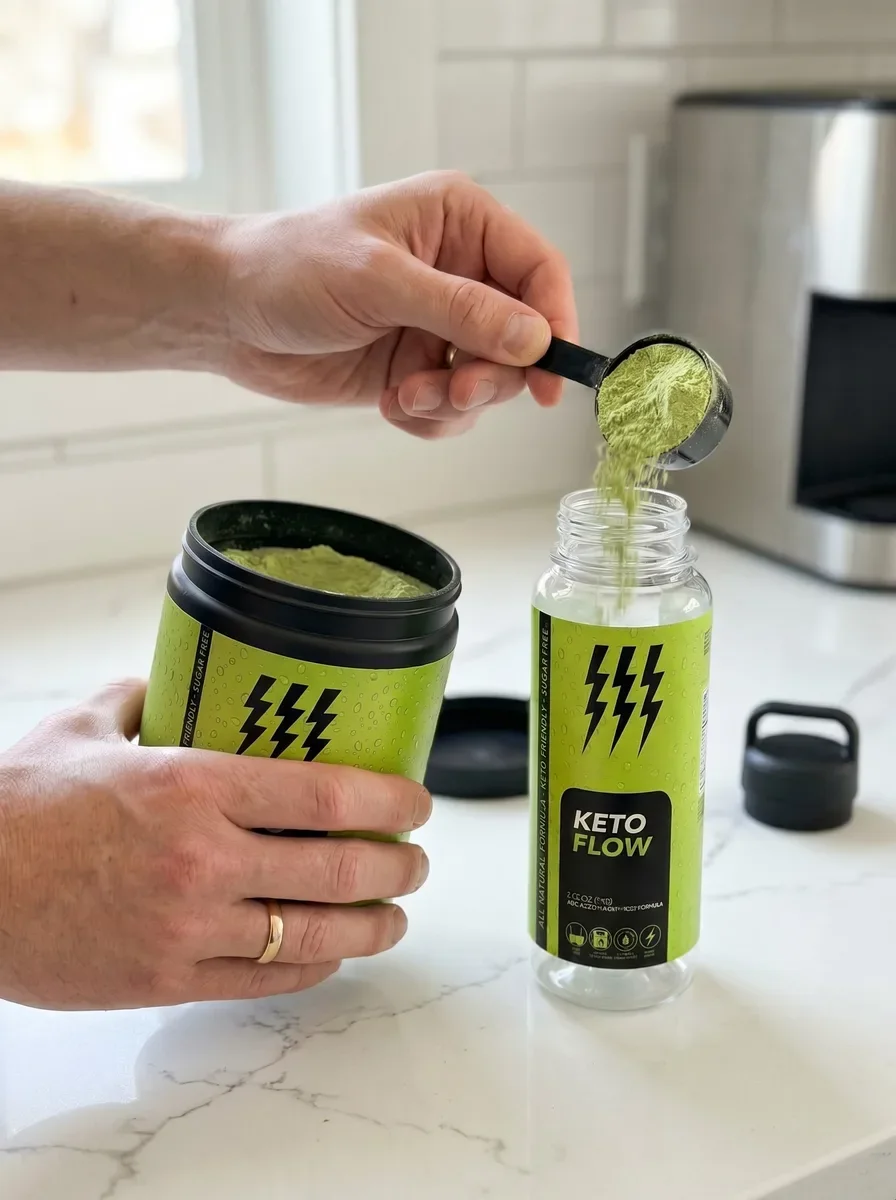
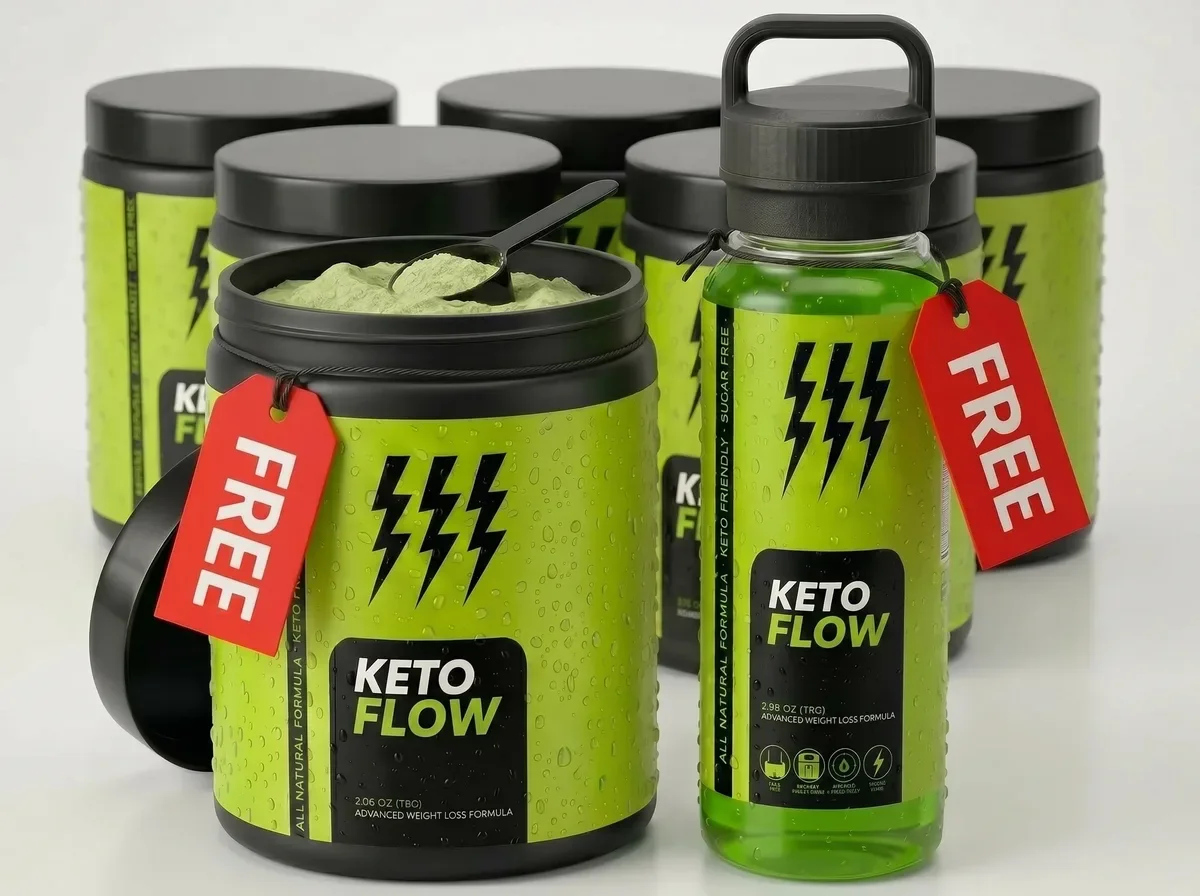
Once your carbs and protein are set, everything else simply has to fit inside your remaining calories, and a keto drink is no exception. A product like KetoFlow is built around BHB and MCT, which sit on the fat side of your day — so if you add one, count it, and trim a little fat elsewhere to keep your total where you want it. It slots into the "fat filler" line of the plan rather than adding a free extra.
And the standard caveat applies to macro planning too: you can only budget a product accurately if its amounts are published, and per-scoop figures on this category are frequently vague, KetoFlow's included. Treat any keto drink as part of your fat and calorie budget, keep carbs capped and protein protected, and the ratio will look after itself.
Fit a keto drink into your macros
KetoFlow's BHB and MCT sit on the fat side of your day. Our main page reads all six ingredients and marks every undisclosed amount as undisclosed so you can budget honestly.
Order NowFrequently asked questions
What is the ideal keto macro ratio?
The classic split is roughly 70 to 75 percent of calories from fat, 20 to 25 percent from protein, and 5 to 10 percent from carbohydrate. It is a useful starting frame, not a rule. In 2026 many people run a more protein-forward version, trading some fat for protein to protect muscle and control appetite, and still stay in ketosis comfortably.
Should I set carbs or fat first on keto?
Set carbs first, then protein, then fat. Carbohydrate is a hard ceiling, usually 20 to 50 grams a day, that keeps you in ketosis. Protein is a target based on your body weight to protect muscle. Fat is the flexible filler you adjust up or down to control total calories. Setting fat first is the classic mistake that stalls fat loss.
How do I calculate my keto macros?
Cap carbs at 20 to 50 grams. Set protein at roughly 0.6 to 1.0 grams per pound of lean body mass or goal weight. Estimate your daily calorie needs, subtract the calories from your carbs and protein, and fill the rest with fat, remembering fat has about 9 calories per gram. To lose fat, set your total calories at a modest deficit and let fat absorb the cut.
Is high-protein keto better for weight loss?
For many people, yes. A more protein-forward keto tends to control appetite better and protects lean muscle during weight loss, both of which help fat loss and long-term maintenance. The old worry that extra protein breaks ketosis is largely overblown for most people. As long as carbs stay low and calories are in a deficit, higher protein is usually an advantage, not a problem.