MCT Oil Powder vs Coconut Oil: Which Actually Makes Ketones
The short version
Medium-chain triglycerides bypass the normal fat-digestion route and go straight to the liver, where a portion is converted to ketones. That makes MCT the one ingredient in a keto formula that causes genuine ketone production rather than delivery. The catches are that coconut oil is only about half MCT and mostly the least ketogenic kind, that powdered MCT is diluted by its carrier, and that the research doses are measured in tens of grams.
- Why MCTs work: absorbed to the liver directly, partly converted to ketones there.
- Chain length matters: C8 is the most ketogenic, C12 (most of coconut oil) the least.
- Powder is diluted: MCT powder is oil on a carrier, so grams of powder ≠ grams of MCT.
Why chain length changes everything
Dietary fat is mostly long-chain triglycerides. They need bile, they are packaged into chylomicrons, and they travel through the lymphatic system before the liver ever sees them. Medium-chain triglycerides — eight to twelve carbons — skip that entire route. They are absorbed into the portal vein and delivered straight to the liver, where a meaningful fraction is oxidised immediately and converted into ketone bodies.
That is why MCT is the ingredient in a keto product that does the thing the category claims. It does not deliver ketones; it causes you to make them.
The three MCTs are not equivalent
Caprylic acid (C8) is the most ketogenic per gram and raises blood ketones fastest. Capric acid (C10) is next. Lauric acid (C12) is technically medium-chain but behaves in the body much more like a long-chain fat, and produces far fewer ketones.
This matters because coconut oil — the popular shortcut — is only around half medium-chain fat by weight, and the majority of that half is lauric acid. A tablespoon of coconut oil therefore contains a small fraction of the ketogenic material of a tablespoon of C8 oil. Both are fine foods; only one is a ketone tool.
Coconut oil is not MCT oil. MCT powder is not MCT oil either. Each step down that chain dilutes the thing you were buying.
What powdering costs you
MCT oil powder is made by spray-drying liquid MCT onto a carrier — commonly acacia fibre, tapioca starch or a milk protein — so that an oil becomes a free-flowing powder that mixes into water. This is a genuinely useful bit of food technology, and it is what makes a drinkable keto formula possible at all.
The price is dilution. Commercial MCT powders typically run between 50% and 70% actual MCT oil by weight, with the balance being carrier. So a scoop containing five grams of "MCT oil powder" delivers noticeably less than five grams of MCT. Any honest comparison between a powder and a liquid has to account for that, and you cannot do the arithmetic without the label.
Dose is not a detail here
The human studies people cite for MCT and body composition used substantial daily amounts — typically in the tens of grams, replacing other dietary fat rather than adding to it. Studies that measure ketone elevation directly also use gram-scale doses, and the response is dose-dependent across the range.
This is the reason MCT capsules are close to pointless and MCT powders can be genuinely useful: the format can carry a real dose. Whether a particular product does carry one is a question only the panel can answer — and KetoFlow does not publish one, which for this ingredient is the least convenient place to have a gap.
How to use MCT sensibly
Start with a fraction of the suggested serving, take it with food rather than on an empty stomach for the first week, and build up. The digestive complaints associated with MCT are almost entirely a rate problem, and almost entirely avoidable. And remember that MCT is fat with calories like any other fat — it substitutes for other dietary fat, it does not come free.
For the other half of this formula and why its mechanism is so widely misunderstood, see what exogenous BHB ketones really do. For the minerals travelling with them, see keto flu, electrolytes and sea moss.
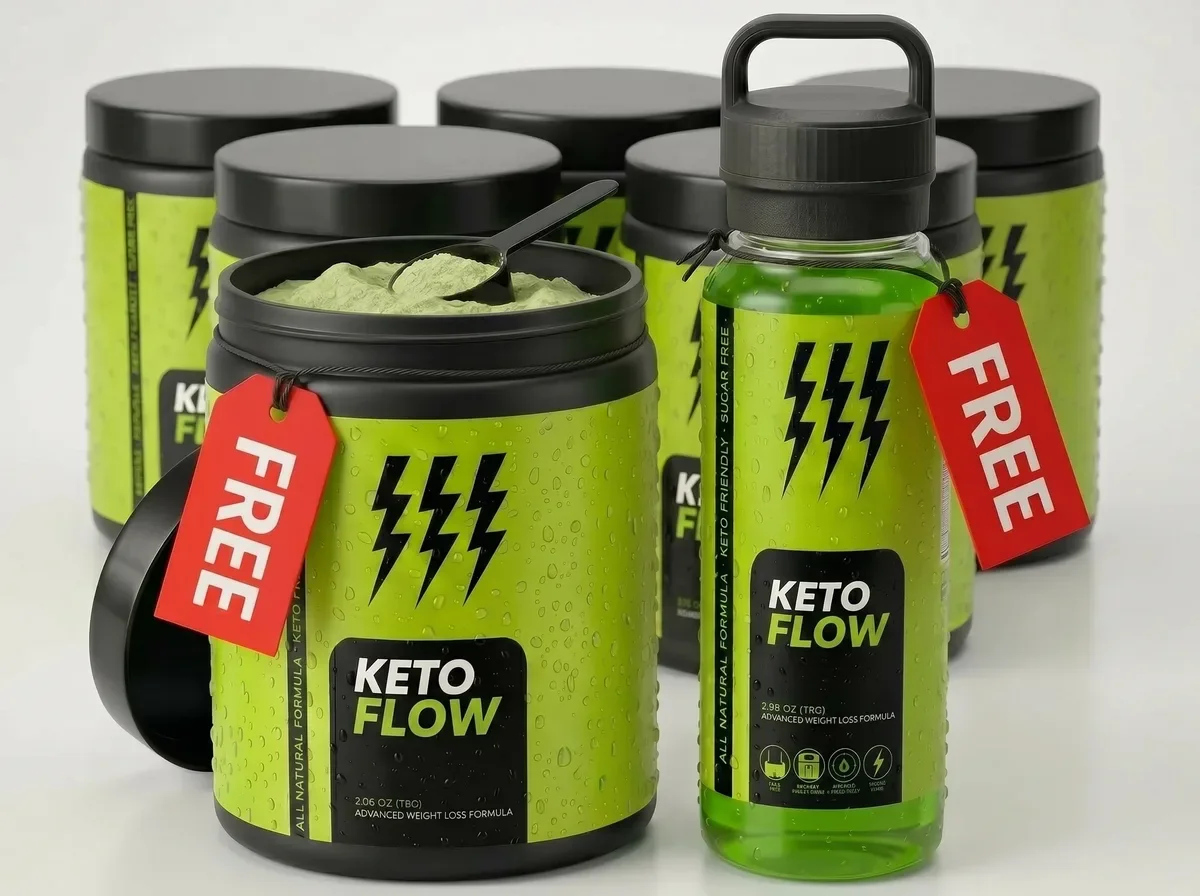
See MCT powder in the KetoFlow formula
MCT oil powder is the second of six named ingredients. Our main page reads each one, with every undisclosed amount marked as such.
Order NowFrequently asked questions
Can I just eat coconut oil instead?
You can, and you will get some effect, but you need a lot more of it. Coconut oil is roughly half medium-chain fats and the largest share of those is lauric acid, which behaves more like a long-chain fat and is the least ketogenic of the group.
Is C8 worth paying more for?
If ketone elevation is specifically what you want, yes — caprylic acid (C8) raises ketones fastest and highest per gram in head-to-head work. It is also the most likely to upset your stomach, which is the trade.
Why does MCT cause digestive trouble?
Because it is absorbed fast and largely unchanged, and a large dose arrives in the gut faster than it can be handled. The fix is boring and effective: start low, take it with food, and increase over a week or two.