Combining Intermittent Fasting With Keto Safely
Can you combine intermittent fasting with keto?
Yes, and the two work well together: fasting empties glycogen faster so ketosis deepens, while keto's appetite-blunting effect makes going without food easier. The key to doing it safely is replacing electrolytes during fasts, starting gradually with a 12:12 window before 16:8, and knowing who should not attempt it.
- Synergy: fasting speeds ketosis by draining glycogen sooner.
- Comfort: keto blunts hunger, making a 16:8 window easier to hold.
- Safety: salt, magnesium and potassium matter more, not less, while fasting.
Intermittent fasting and the ketogenic diet are often sold as rival weight-loss methods, but they are closer to dance partners. Each one solves the other's biggest problem. Fasting's hardest part is hunger; keto reduces it. Keto's slowest part is getting into ketosis; fasting accelerates it. Stack them thoughtfully and the combination is more manageable than either alone, but only if you respect the two things that make it go wrong, which are electrolytes and pace.
This is not a licence to skip meals and hope. Combining fasting with keto changes how your body handles water, salt and fuel, and doing it carelessly is how people end up dizzy, headachy and convinced the whole thing is unsustainable. Done properly, it is one of the more comfortable ways to eat in a deficit. Here is how the two interact, and how to add them together without the crash.
How fasting deepens ketosis
Ketosis begins when your liver runs low enough on stored carbohydrate, glycogen, that it switches to converting fat into ketone bodies for fuel. On a standard ketogenic diet you drain that glycogen gradually by keeping carbohydrate low, which is why it usually takes several days to get into ketosis.
Fasting does the same thing faster, because it removes carbohydrate entirely. With no incoming glucose, glycogen falls more quickly and the liver ramps up ketone production sooner, often within a day rather than most of a week. If you are already keto-adapted, even a normal overnight fast pushes your morning ketones higher. Fasting, in other words, is not a different strategy from keto; it is the same lever pulled harder.
Why keto makes fasting easier
The reason most people fail at fasting is simple: they are hungry, and blood-sugar swings make that hunger sharp and hard to ignore. A meal heavy in refined carbohydrate spikes blood glucose and then drops it, and that drop is felt as urgent hunger a few hours later.
Keto flattens that curve. With carbohydrate low and blood sugar stable, the hunger that arrives at hour fourteen of a fast is milder and easier to ride out. Ketones themselves also appear to have a mild appetite-suppressing effect. The practical result is that a 16:8 eating window, sixteen hours without food and an eight-hour window to eat, that feels brutal on a high-carb diet often feels almost easy once you are fat-adapted. The two methods lower the same barrier from opposite sides.
The electrolyte problem is the real risk
Here is where people get hurt, and it is entirely avoidable. Both keto and fasting lower insulin, and low insulin tells your kidneys to excrete sodium and the water bound to it. Cut carbs and fast at the same time and you are running that drain twice as hard. The lost sodium pulls potassium and magnesium along with it.
The symptoms, headache, light-headedness, fatigue, muscle cramps and brain fog, are what people call the "keto flu," and during a combined fast they arrive faster and hit harder. Crucially, none of it is a sign that fasting is dangerous for you; it is a sign that you are low on salt and minerals. The fix is to replace them: sodium especially, along with magnesium and potassium, taken in water during the fasting window. This is the single most important safety step, and it is the one most people skip because they assume "fasting" means consuming nothing at all.

What actually breaks a fast
The honest answer is that anything with meaningful calories breaks a fast in the strict sense, because a fast is defined by the absence of an energy intake that raises insulin. But there is a practical middle ground that matters for keto.
Plain water, black coffee and unsweetened tea do not break a fast. Electrolytes, sodium, potassium and magnesium, carry essentially no calories and do not break a fast in any way that matters; they are exactly what you should be taking. Where it gets murky is fats and exogenous ketones. A splash of MCT oil or a BHB drink contains calories and will, technically, register as consuming something, but because they barely touch insulin, many people use them during a fast to blunt hunger and top up ketones without meaningfully interrupting the metabolic state. Purists will say that is no longer a true fast; pragmatists will say it keeps them fasting longer. If your goal is autophagy specifically, keep the fast clean, water and electrolytes only. If your goal is weight loss and ketosis, a small amount of fat or BHB is a reasonable tool.
How to start without crashing
The mistake almost everyone makes is jumping straight to a long fast. Don't. Build the window gradually.
Begin with 12:12, a twelve-hour overnight fast, which for most people just means not eating after dinner and having a normal-time breakfast. Hold that for a week or two until it is unremarkable. Then push the eating window later or earlier to reach 14:10, and only then 16:8. Let your body adapt one step at a time, and let the keto adaptation and the fasting adaptation happen in sequence rather than all at once.
Throughout, drink water with salt in it during the fasting hours, break your fast with protein and fat rather than a pile of carbohydrate, and pay attention to how you actually feel rather than how long the app says you lasted. Longer is not better; sustainable is better.
The point of stacking fasting and keto is not to suffer twice as hard. It is that each one takes the sting out of the other, so you can hold a deficit you could not hold alone.
Who should not combine them
This is the part that matters most, because for some people the answer is simply "not without medical supervision." Anyone who is pregnant or breastfeeding should not fast. Anyone with a current or past eating disorder should approach any form of food restriction with great caution and ideally not at all without professional support, because fasting can reactivate harmful patterns. Anyone taking medication for blood sugar or blood pressure, insulin and sulfonylureas especially, can drop too low when fasting and keto are stacked, and needs a clinician to adjust doses first. Children, and anyone underweight or with a history of certain kidney or gallbladder conditions, should also steer clear without medical advice. None of this is a formality. Combining two powerful metabolic tools amplifies their effects, including the ones you don't want.
Where a drink like KetoFlow fits
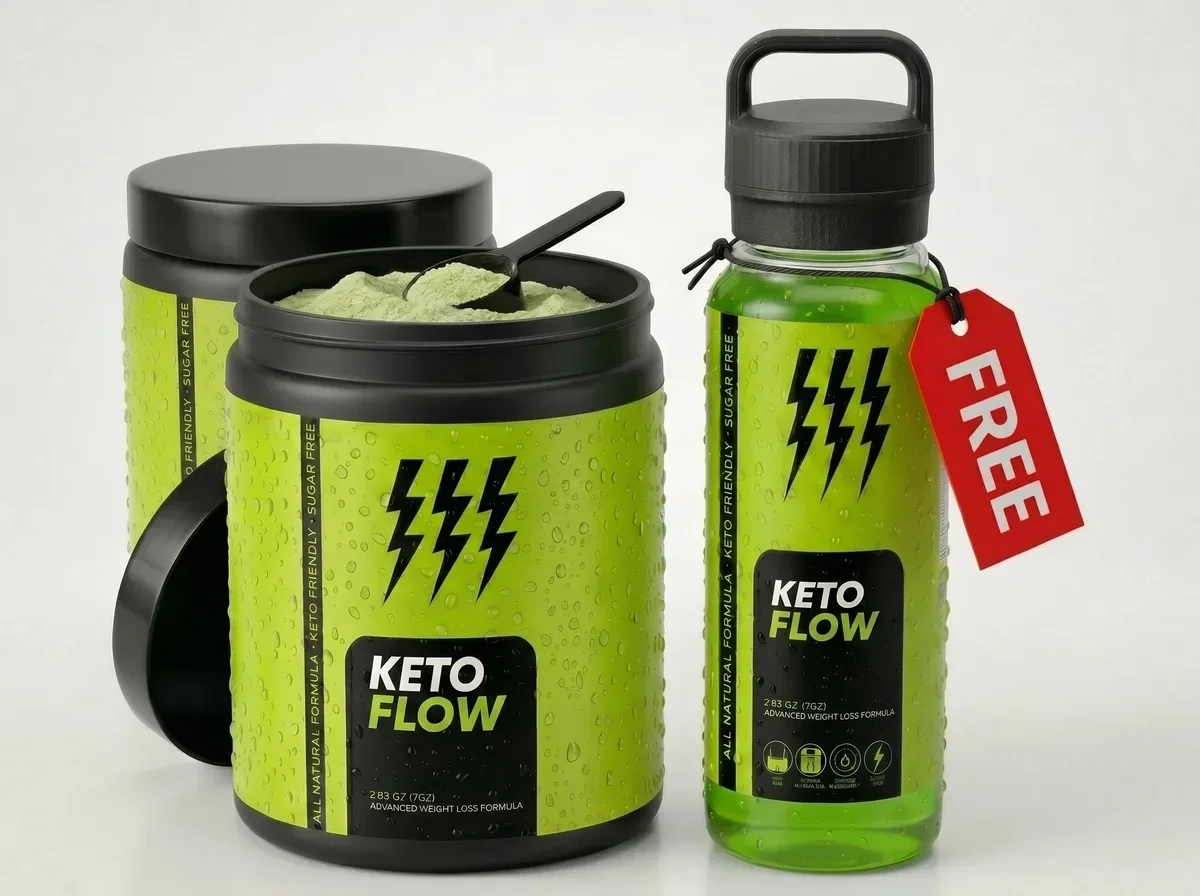
The most defensible use of a keto electrolyte drink is exactly the scenario above: the fasting window, when you are shedding sodium and minerals and cannot eat to replace them. A formula built on electrolytes plus MCT powder and BHB can supply the salt and magnesium that prevent the keto-flu crash and, for those who take the pragmatic view of fasting, add MCTs and ketones that soften hunger without a real meal. What it cannot do is make fasting safe for someone in the groups above, or do the work of the deficit itself. It is a support during the hard hours, nothing more. Our main page reads all six ingredients and marks every undisclosed dose.
What to expect in the first couple of weeks
Set your expectations honestly and you are far less likely to quit. Early on, especially if you are adapting to keto and lengthening your fasting window at the same time, expect some flatness, the odd headache and a hunger that arrives in waves rather than as a steady climb. The waves are the tell: real hunger from an empty stomach passes within twenty minutes or so, whereas the sharp, urgent hunger of a blood-sugar dip does not. As you become fat-adapted, those dips flatten out and the whole thing gets noticeably easier, usually within a week or two.
Two habits smooth the transition more than anything else. Front-load your salt and water in the morning rather than waiting until you feel bad, and break your fast on a genuine meal rather than a snack that leaves you hungry an hour later. Coffee and tea are useful allies in the fasting window, but watch that you are not using caffeine to paper over dehydration that a glass of salted water would fix properly.
The bottom line
Fasting and keto reinforce each other honestly: fasting deepens ketosis by emptying glycogen faster, and keto makes fasting bearable by steadying blood sugar and blunting hunger. The combination is powerful precisely because the effects stack, which is also why electrolytes matter more, not less, and why you should build the fasting window up gradually from 12:12. Replace your salt, start slow, break your fast on protein and fat, and, if you fall into any of the higher-risk groups, talk to a clinician before you begin.
Related reading
Covering the fasting hours
KetoFlow pairs BHB salts and MCT powder with the electrolytes a fast strips out. Our main page reads all six ingredients and marks every undisclosed amount.
Order NowFrequently asked questions
Does intermittent fasting speed up ketosis?
Yes. Fasting removes dietary carbohydrate entirely, so your liver's glycogen stores fall faster and it starts producing ketones sooner, often within a day rather than the several days a standard ketogenic diet usually takes. If you are already keto-adapted, even a normal overnight fast will push your morning ketone readings higher.
Is it safe to do keto and fasting together?
For most healthy adults it can be, provided you replace electrolytes and build up gradually. The combination is not safe without medical advice for people who are pregnant or breastfeeding, have a history of disordered eating, or take medication for blood sugar or blood pressure, because stacking the two amplifies their effects. When in doubt, check with a clinician first.
What breaks a fast on keto?
Anything with meaningful calories technically breaks a fast, so plain water, black coffee, unsweetened tea and calorie-free electrolytes are all fine and will not break it. Fats such as MCT oil and BHB drinks do contain calories, so purists count them as breaking a fast, but because they barely affect insulin many people use them to blunt hunger while staying in ketosis.
How do I start fasting on the keto diet?
Start with a 12:12 window, a twelve-hour overnight fast, and hold it for a week or two before extending to 14:10 and then 16:8. Drink water with added salt during the fasting hours, break your fast with protein and fat rather than carbohydrate, and let your body adapt one step at a time instead of jumping straight to a long fast.