Hidden Carbs That Secretly Stall Your Keto
Where do hidden carbs come from on keto?
Hidden carbs on keto rarely come from obvious bread or sugar. They creep in through sauces and condiments, "sugar-free" products bulked with maltodextrin, breaded or glazed processed meats, sweetened drinks, and packaged "keto" bars. A few grams from each, every day, can quietly push you past your net-carb ceiling and out of ketosis.
- Condiments and sauces are the single biggest blind spot.
- "Sugar-free" is not carb-free — check for maltodextrin and added starch.
- Do the per-serving math and weigh what you actually eat.

The math that makes hidden carbs matter so much
Keto works on a narrow ledge. The entire diet hinges on keeping net carbohydrate low enough — usually somewhere between 20 and 50 grams a day — that your body runs short of glucose and shifts toward burning fat and producing ketones. That ceiling is lower than most people appreciate. Twenty grams is a single medium apple. Fifty grams is roughly two slices of bread. The whole day has to fit under that line.
The problem is that carbohydrate rarely arrives with a warning. It shows up a gram at a time, folded into foods you have mentally filed as safe. A tablespoon here, a splash there, a "sugar-free" treat that felt like a free pass. Individually none of it seems worth counting. Added together across a day, those invisible grams are frequently the difference between staying in ketosis and drifting out of it without ever realising why the scale stopped moving.
This is why the honest answer to "why am I not losing weight on keto?" is so often carb creep rather than some deeper metabolic failure. The diet has not stopped working. You have quietly stopped doing it, because the carbs that broke it were hiding in plain sight.
Condiments and sauces: the biggest blind spot
If you fix only one category, fix this one. Sauces and condiments are the most concentrated hidden carbohydrate most keto eaters encounter, and they are almost impossible to eyeball. Two tablespoons of ketchup or barbecue sauce can carry as much sugar as a small handful of candy. Sweet chilli, teriyaki, honey mustard, most bottled salad dressings, ketchup-based marinades and takeaway stir-fry sauces are all sweetened, often heavily.
The danger is behavioural as much as nutritional. Nobody weighs the sauce. You pour it, dip in it, drizzle it, and the amount you actually consume is usually two or three times the label serving. A "5g of carbs per tablespoon" dressing becomes 15 grams by the time you have coated a salad. Do that at two meals and your entire daily budget is gone before you count a single vegetable.
The fix is simple and slightly annoying: read the label per serving, then measure the amount you truly use with a spoon at least once so you know what your normal pour costs. Mustard, mayonnaise, vinegar, hot sauce and olive oil are generally low; anything sweet, thick or glazed deserves suspicion until the panel proves otherwise.

"Sugar-free" does not mean carb-free
The phrase "sugar-free" is one of the most misread labels in the supermarket. It means the product contains little or no of the specific sugars a regulator counts as sugar. It does not mean the product is free of carbohydrate. Manufacturers routinely replace sugar with bulking agents and starches that behave like carbohydrate in your body even though they dodge the "sugar" line on the front of the pack.
Maltodextrin is the classic example. It is a common filler in sugar-free syrups, powders, seasoning blends and protein products, and it has a glycaemic impact comparable to glucose — sometimes higher. A "zero sugar" powder sweetened around maltodextrin can raise blood glucose almost as fast as table sugar would. Modified food starch, dextrose, and various syrups play similar roles. The word to trust is not "sugar-free" on the front; it is the total carbohydrate figure and the ingredient list on the back.
Processed meats and the binder problem
Meat feels like the safest keto food there is, and plain cuts are. The trouble starts with processing. Breaded chicken, meatballs, sausages, deli meats, hot dogs and anything glazed, honey-roasted or barbecue-flavoured can carry added sugar, starch fillers and breadcrumb binders that push the carbohydrate count well above zero.
A few sausages can quietly deliver several grams of carbohydrate from rusk and fillers. Honey-roast ham, glazed gammon and sweet-cured bacon add sugar directly. Deli slices are sometimes bulked with starch. None of it is dramatic on its own, but it is carbohydrate you almost certainly are not counting because the food is "meat" in your mind. Plain, single-ingredient cuts sidestep the problem entirely; when you buy processed, read the panel the same way you would read it for a cookie.
"Keto" bars and snacks that are not what they claim
"Keto" on a wrapper is a marketing word, not a regulated standard. Anyone can print it. Some bars and snacks genuinely fit a low-carb day; plenty do not, and the labelling is often designed to make the second group look like the first.
The common trick is a big "only 2g net carbs!" claim on the front, calculated by subtracting a large dose of sugar alcohols and fibre from the total. The subtraction for fibre is reasonable. The subtraction for sugar alcohols is only partly fair — some, like maltitol, still raise blood sugar meaningfully, so the "net" figure can be optimistic. Then check the ingredient list: if maltodextrin, syrups or added starch appear high up, the bar may spike your glucose and your appetite regardless of the front-of-pack number. A snack that leaves you hungrier an hour later is not doing your diet any favours, whatever the wrapper says.
The sources people forget entirely: drinks, medications, supplements
Some carb creep does not come from food at all. Flavoured lattes, sweetened plant milks, "diet" mixers, kombucha, sports drinks and even a splash of juice in sparkling water all carry carbohydrate that slips past because it is a drink, not a meal. Liquid carbohydrate is also the fastest to raise blood sugar.
Two categories catch people out further still. Chewable and gummy supplements — multivitamins, fibre gummies, some electrolyte chews — are frequently sweetened. And a number of medications and syrups use sugar or sugar-based fillers as a carrier. These are usually small amounts, and you should never stop a prescribed medication over a gram of sugar; but if you are eating at the very bottom of your carb range and cannot explain a stall, they are worth being aware of.
Keto rarely fails because the diet is broken. It fails because carbohydrate arrived a gram at a time, in foods you never thought to count.
How to read a label in ten seconds
You do not need a nutrition degree, just a habit. Turn the pack over and do three things. First, look at the serving size and be honest about whether you eat one serving or two — the whole panel scales to that number. Second, find total carbohydrate, then subtract only fibre and, cautiously, sugar alcohols to estimate net carbs. Third, scan the ingredient list for maltodextrin, dextrose, syrups, modified starch and anything ending in "-ose". Ingredients are listed by weight, so a sweetener near the top means there is a lot of it.
Do that for a week and the exercise stops feeling like work. You build a mental library of what is genuinely low and what only pretends to be, and the label check drops to a glance. That single habit is what keeps you actually inside your net-carb budget rather than assuming you are.
Where a drink like KetoFlow fits
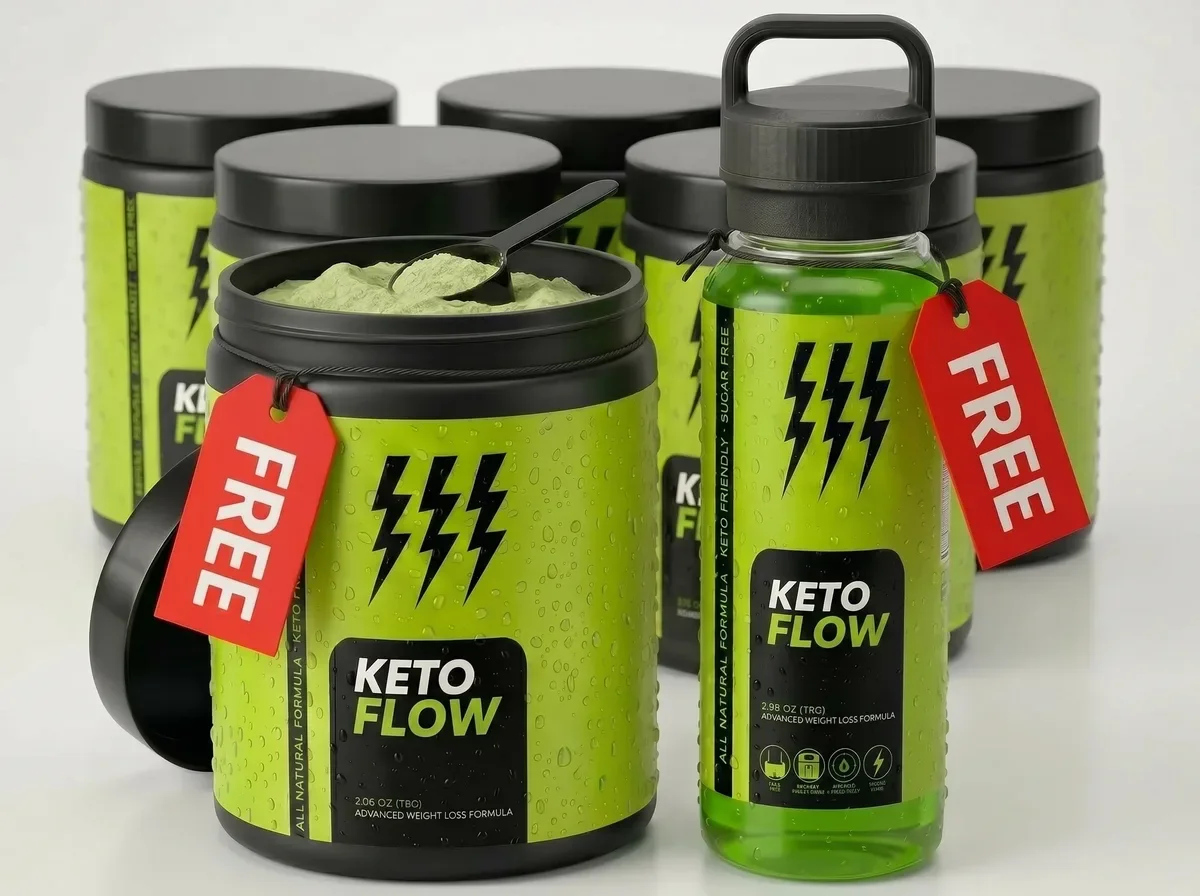
One quiet advantage of a measured powdered keto drink is that there is no guesswork about the pour. A scoop is a scoop, and a well-made keto formula is built to sit within a low-carb day rather than sneak carbohydrate into it — the opposite problem to a sweetened sauce or a maltitol-loaded bar. Products like KetoFlow lean on BHB salts and MCT rather than sugar bulking agents, so the drink itself is not a hidden-carb risk.
The honest caveat, as always, is the label. The value of any keto product is only as clear as its published amounts, and per-scoop figures are frequently vague on this category — KetoFlow's included. A drink can support your routine, but it cannot fix a diet leaking carbohydrate through sauces, snacks and drinks. That part is on the label-reading habit, not the scoop.
Keep the guesswork out of your keto routine
KetoFlow is a measured, no-sugar-bulking keto drink built on BHB salts and MCT. Our main page reads all six ingredients and marks every undisclosed amount as undisclosed.
Order NowFrequently asked questions
What foods have hidden carbs on keto?
The usual culprits are sauces and condiments (ketchup, barbecue sauce, salad dressings), "sugar-free" products bulked with maltodextrin or added starch, processed and breaded meats, flavoured coffees and drinks, and many packaged "keto" bars. None of them look like carbs, so people forget to count them, and a few grams from each adds up fast.
Why am I not losing weight on keto?
The most common reason is quiet carb creep pushing you above your net-carb ceiling without you noticing, which stalls ketosis. Total calories also still matter, and portion sizes of fatty foods drift upward easily. Track everything you eat honestly for one week, including sauces and drinks, and the leak usually becomes obvious.
Do sauces and condiments break ketosis?
They can, because they are one of the most concentrated hidden sources. A couple of tablespoons of ketchup or barbecue sauce can carry as much sugar as a piece of candy, and dressings, marinades and stir-fry sauces are often sweetened too. Check the label per serving and measure the amount you actually use rather than pouring freely.
Are keto snack bars actually keto?
Some are and many are not. A bar labelled "keto" is a marketing claim, not a regulated standard. Read the panel: count total carbs, subtract only genuine fibre and, cautiously, sugar alcohols, and check for maltodextrin or hidden syrups high in the ingredient list. If the real net carbs are high or the bar spikes your appetite, it is not helping.